


Doxycycline for Cats: Uses, Dosage, Side Effects, and Safety Tips Every Pet Owner Should Know
By PawHappiness Team | Updated | 5 minutes read | Pet Medication
Table of Contents
- What Is Doxycycline for Cats and How Does It Work?
- When Do Vets Prescribe Doxycycline for Cats?
- Proper Dosage of Doxycycline for Cats (Always Vet-Approved)
- How to Safely Give Doxycycline for Cats at Home
- Possible Side Effects of Doxycycline for Cats
- Products That Help During Doxycycline Treatment (Amazon Recommendations)
- How Long Does It Take for Doxycycline to Work in Cats?
- When to Call Your Veterinarian Immediately
- Conclusion
When your cat comes down with an infection, it can be stressful and confusing to know what treatment they need. One medication your vet may prescribe is doxycycline for cats, a commonly used antibiotic that treats a wide range of bacterial infections. If you’ve never used it before, you might wonder how it works, whether it’s safe, how to give it, or what side effects to watch for. Don’t worry—we’ll break everything down in simple, everyday language so you can feel confident caring for your feline friend.
Doxycycline is often used when cats have respiratory infections, tick-borne illnesses, or certain bacterial diseases that don’t respond well to ordinary antibiotics. Because cats can be picky eaters or difficult when taking pills, knowing the right way to administer the medication can make the process much easier. In this article, we’ll explore how doxycycline works, when it’s used, how to give it at home, and how to keep your cat safe throughout the treatment. Let’s dive in so your cat can start feeling better, faster.
What Is Doxycycline for Cats and How Does It Work?
Doxycycline is a broad-spectrum antibiotic from the tetracycline family. Vets prescribe it when they need something strong enough to treat bacteria that may not respond to milder medications. It works by stopping bacteria from growing and spreading, giving your cat’s immune system the chance to fight off the infection.
Common conditions treated with doxycycline include:
- Respiratory infections
- Tick-borne illnesses (such as ehrlichiosis)
- Mycoplasma infections
- Eye infections
- Urinary tract infections
- Some types of pneumonia
Because it targets a wide range of bacteria, doxycycline is a go-to antibiotic for many vets. It’s also available in tablets, capsules, and liquid form, making it easier to tailor to your cat’s needs.
When Do Vets Prescribe Doxycycline for Cats?
Your veterinarian will typically prescribe doxycycline when your cat shows symptoms of a bacterial infection that requires stronger medication. It’s especially helpful in illnesses involving the respiratory system or infections caused by ticks.
Common Reasons Your Cat May Need Doxycycline
- Sneezing, coughing, or nasal discharge from upper respiratory infections
- Lethargy and fever related to bacterial illnesses
- Eye discharge or conjunctivitis
- Tick bite exposure, especially in outdoor cats
- Chronic respiratory problems caused by bacteria like Mycoplasma
Because doxycycline treats conditions linked to both bacteria and parasites, it’s a very versatile treatment option.
Your vet may also prescribe it as part of a combination plan when your cat has multiple symptoms.
Proper Dosage of Doxycycline for Cats (Always Vet-Approved)
Never give doxycycline to your cat without veterinary guidance. The right dosage depends on:
- Your cat’s weight
- Their age
- The type of infection
- The severity of symptoms
Typically, vets may prescribe 5–10 mg per kg of body weight, once or twice daily, depending on the condition.
General Tips for Giving Doxycycline
- Give the medication with a small meal to reduce stomach upset.
- If using tablets or capsules, follow with water or wet food to prevent throat irritation.
- For stubborn cats, ask your vet if a liquid formula is available.
- Never double the dose if you miss one—wait for the next scheduled time.
Doxycycline can irritate the esophagus, so make sure your cat drinks water or eats afterward to help the pill go down smoothly.
How to Safely Give Doxycycline for Cats at Home
Giving medication to a cat can feel like a mission—but with the right approach, it gets easier. Here are simple, pet-friendly methods to help you out.
1. Hide It in a Treat
Some cats will happily swallow medicine hidden in:
- Pill pockets
- Small portions of wet food
- Soft cheese (tiny amount only)
2. Use Liquid Medication
If your cat refuses pills, ask for a compounded liquid version. It’s much easier to measure and mix into food.
3. Give Pills with a Syringe of Water
This prevents irritation and helps the pill slide down smoothly.
4. Wrap Your Cat Like a “Burrito”
A towel wrap keeps your cat calm and prevents scratching during medication time.
If you’re unsure how to give it, ask your vet to demonstrate. A quick lesson makes a huge difference.
Possible Side Effects of Doxycycline for Cats
Like most medications, doxycycline may cause mild side effects. Most cats tolerate it well, but it’s good to know what to watch for.
Common Mild Side Effects
- Vomiting
- Diarrhea
- Loss of appetite
- Tiredness
- Drooling (especially with bitter liquid forms)
More Serious Side Effects (Rare)
- Severe vomiting
- Signs of an allergic reaction
- Yellowing of the eyes or gums
- Persistent diarrhea
If anything feels off, contact your vet right away. Never stop antibiotics early unless your vet instructs you to—this can lead to antibiotic resistance or an incomplete recovery.
Products That Help During Doxycycline Treatment (Amazon Recommendations)
These products aren’t medications, but they make the treatment process easier and more comfortable for your cat.
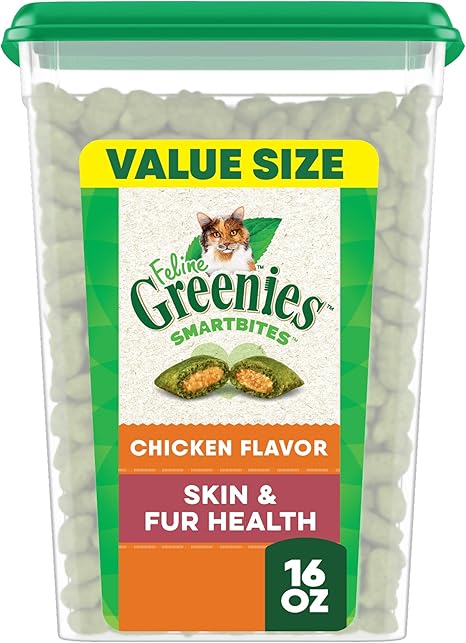
Greenies Pill Pockets for Cats
These Feline Greenies Smartbites are vet-designed cat treats made with omega-3–rich fish oil and flaxseed to support healthy skin and fur. They include added vitamins and minerals for balanced nutrition, and come in a tasty chicken flavor with a crunchy-soft texture. Perfect as daily treats or for use in treat-dispensing toys to keep adult cats happy and engaged.
Buy NowHow Long Does It Take for Doxycycline to Work in Cats?
Most cats start feeling better within 48–72 hours after starting treatment. Symptoms like sneezing, fever, or eye discharge usually improve quickly. But don’t stop the medication early—even if your cat looks fully recovered.
Finishing the full course ensures:
- The infection is completely gone
- There’s no relapse
- Bacteria don’t become resistant to the antibiotic
Your vet will tell you exactly how many days your cat needs to stay on doxycycline.
When to Call Your Veterinarian Immediately
Get professional help if:
- Your cat vomits repeatedly
- Symptoms don’t improve after 3–4 days
- Your cat refuses to eat
- Severe diarrhea develops
- Your cat seems unusually weak or confused
These signs don’t always mean something serious, but it’s safer to check.
Conclusion
Doxycycline for cats is a powerful and effective antibiotic that can treat many bacterial infections—especially respiratory issues and tick-related illnesses. Knowing how it works, how to give it safely, and what side effects to watch for can make the treatment process much smoother for both you and your cat. The most important thing is to follow your vet’s guidance closely and complete the full medication course.
With the right care and a little patience, most cats recover quickly and get back to their usual playful selves. For more helpful pet guides, tips, and product recommendations, feel free to explore additional resources anytime.






Extra Deals & Recommendations From Our Partners
Discover exclusive offers, tools, and products from brands we collaborate with.


Milk-Bone Soft & Chewy Dog Treats, Beef & Filet Mignon Recipe
Milk-Bone Soft & Chewy Beef & Filet Mignon Recipe dog treats are made with real chuck roast for a delicious, tender texture dogs love. Suitable for dogs of all sizes, these treats come in a 25-ounce container and are fortified with 12 essential vitamins and minerals. A trusted, feel-good reward dogs have loved since 1908.

Veterinary Formula Clinical Care Hot Spot & Itch Relief Spray
Fast-acting oatmeal and aloe shampoo quickly soothes irritated skin, reducing licking and scratching. This vet-recommended, pH-balanced formula softens the coat and helps calm hot spots from allergies, bites, or moisture. Free of parabens, soaps, and dyes, it hydrates and nourishes pets 12+ weeks. Use with the matching conditioner for complete, affordable skin relief.

Portable Dog Small Animals Water Bottle
This foldable dog water bottle saves space while offering a larger drinking trough. Its double leak-proof design with sealing rings and a lock button prevents spills, and the one-touch release controls water flow efficiently. Easy to carry with a nylon lanyard, it’s made from safe, food-grade materials, fully removable for cleaning, and suitable for dogs and small pets.

Blue Buffalo Life Protection Formula Adult Small Breed Dry Dog Food
BLUE Life Protection Formula Chicken & Brown Rice Small Breed Dry Dog Food is crafted with real chicken as the first ingredient to support the health and energy needs of adult small breed dogs. Made with natural ingredients enhanced with vitamins and minerals, it features antioxidant-rich LifeSource Bits to help support immunity, providing balanced, high-quality nutrition dogs love.

Automatic Cat Feeder, 4L Cat Food Dispenser
This automatic pet feeder ensures smooth, clog-free feeding with a smart food distribution system, eliminating the need for shaking or manual fixes. It features programmable meal scheduling, dual power supply for reliability, a freshness-locking design with desiccant, an anti-theft lid, and a 10-second custom voice recording to call your pet at mealtime.

Dr. Elsey’s Ultra Unscented Clumping Clay Cat Litter
Low-dust, hard-clumping clay litter with strong odor control and low tracking for a cleaner, fresher home.

PETKIT Ultra Quiet Smart Water Fountain
The upgraded cat water fountain uses a safer wireless 3.0 pump with foam filtering to extend pump life. A separable tank and base make refilling and cleaning easy. PETKIT Filter 3.0 offers better filtration, while dry-burn protection stops the pump when water is low. An indicator light alerts you to refill, and the quiet gushing flow encourages pets to drink more.

Sleepypod Clickit Sport Crash-Tested Harness
This durable dog seat belt is made from heavy-duty nylon with reinforced stitching and strong metal hardware to prevent snapping or unbuckling. Its elastic bungee design absorbs sudden pulls for safer, more comfortable rides. The adjustable, tangle-free swivel clip fits most vehicles and attaches easily to any harness. Each pack includes two seat belts and a collapsible water bowl.