


Heartworm Prevention: What Every Pet Parent Needs to Know
By PawHappiness Team | Updated | 4 minutes read | Pet Medication

Table of Contents
- What Is Heartworm Disease?
- How Heartworms Spread to Pets
- Why Heartworm Prevention Is So Important
- Pets Most at Risk for Heartworms
- Signs and Symptoms of Heartworm Disease
- Heartworm Prevention for Dogs
- Heartworm Prevention for Cats
- How Heartworm Preventives Work
- When to Start Heartworm Prevention
- Why Skipping Doses Can Be Risky
- Year-Round vs Seasonal Heartworm Prevention
- Heartworm Testing and Regular Vet Visits
- Common Myths About Heartworm Prevention
- The Cost of Prevention vs Treatment
- Making Heartworm Prevention Easy for Busy Pet Parents
- Combining Heartworm Prevention with Overall Wellness
- When to Talk to Your Vet About Heartworm Prevention
- Final Thoughts on Heartworm Prevention
Many pet parents focus on good food, regular exercise, and routine vet visits—but one serious threat is often overlooked until it’s too late: heartworms. Heartworm prevention isn’t just a seasonal concern or an optional extra. It’s one of the most important steps you can take to protect your pet’s long-term health.
Heartworm disease is caused by parasites spread through mosquito bites. Once inside a pet’s body, these worms can grow and live in the heart, lungs, and blood vessels, causing severe damage over time. What makes heartworms especially dangerous is that pets often show no symptoms in the early stages. By the time signs appear, the disease may already be advanced.
The good news is that heartworm disease is largely preventable. With the right knowledge, routine care, and consistent prevention methods, pet parents can greatly reduce the risk. This guide breaks down how heartworms work, why prevention matters, and what simple steps you can take to keep your furry family member safe year-round.
What Is Heartworm Disease?
Heartworm disease is a serious condition caused by parasitic worms.
These worms:
- Are transmitted by mosquitoes
- Live in the heart and lungs
- Can grow up to 12 inches long
Without prevention, heartworms can cause lasting organ damage.
How Heartworms Spread to Pets
Heartworms don’t spread directly between animals.
The cycle works like this:
- A mosquito bites an infected animal
- The mosquito carries microscopic larvae
- Another bite passes the larvae to a new pet
Just one bite can start the infection.
Why Heartworm Prevention Is So Important
Once a pet has heartworms, treatment can be risky and expensive.
Heartworm prevention:
- Stops infection before it starts
- Protects vital organs
- Reduces long-term health complications
Prevention is safer than treatment in every case.
Pets Most at Risk for Heartworms
All pets can be affected, but some are more vulnerable.
Higher-risk pets include:
- Dogs who spend time outdoors
- Pets in warm or humid climates
- Animals exposed to mosquitoes year-round
Even indoor pets are not completely risk-free.
Signs and Symptoms of Heartworm Disease
Early stages often show no symptoms.
As the disease progresses, signs may include:
- Coughing
- Fatigue
- Weight loss
- Difficulty breathing
These symptoms usually appear after damage has already begun.
Heartworm Prevention for Dogs
Dogs are the most commonly affected by heartworms.
Prevention options for dogs include:
- Monthly oral medications
- Topical treatments
- Long-lasting injectable preventives
Consistency is key to keeping dogs protected.
Heartworm Prevention for Cats
Cats can get heartworms too, even though it’s less common.
In cats:
- There is no approved treatment once infected
- Prevention is the only protection
- Symptoms can appear suddenly
This makes heartworm prevention especially critical for cats.
How Heartworm Preventives Work
Preventive medications don’t kill adult worms.
Instead, they:
- Eliminate immature larvae
- Stop worms from developing
- Break the infection cycle
That’s why regular dosing is essential.
When to Start Heartworm Prevention
Most veterinarians recommend starting early.
General guidelines:
- Puppies: begin as early as 6–8 weeks
- Kittens: start once approved by a vet
- Adults: begin after testing
Year-round protection is usually recommended.
Why Skipping Doses Can Be Risky
Missing doses can leave gaps in protection.
Common reasons doses are skipped:
- Busy schedules
- Forgetting monthly reminders
- Assuming winter protection isn’t needed
Even one missed dose can increase infection risk.
Year-Round vs Seasonal Heartworm Prevention
Some pet parents stop prevention in colder months.
However:
- Mosquitoes can survive indoors
- Weather patterns are unpredictable
- Year-round prevention offers full coverage
Many vets recommend prevention all year.
Heartworm Testing and Regular Vet Visits
Testing is a key part of heartworm prevention.
Routine testing:
- Confirms your pet is heartworm-free
- Ensures prevention is working
- Helps catch infections early
Annual vet visits help keep prevention on track.
Common Myths About Heartworm Prevention
There’s a lot of misinformation out there.
Common myths include:
- “Indoor pets don’t need prevention”
- “Cold climates don’t have heartworms”
- “Prevention is optional”
These myths can put pets at serious risk.
The Cost of Prevention vs Treatment
Prevention is far more affordable than treatment.
Heartworm treatment can involve:
- Long recovery times
- Strict activity restrictions
- High medical costs
Preventive care saves stress and money long-term.
Making Heartworm Prevention Easy for Busy Pet Parents
Consistency doesn’t have to be hard.
Helpful tips:
- Set monthly reminders
- Pair medication with a routine
- Keep doses visible
Small habits make prevention easier to maintain.
Combining Heartworm Prevention with Overall Wellness
Heartworm prevention works best as part of a bigger plan.
Wellness routines include:
- Parasite control
- Proper nutrition
- Regular exercise
- Routine vet care
Together, they support a healthier life.
When to Talk to Your Vet About Heartworm Prevention
Always consult your vet if:
- You’ve missed doses
- You’re switching preventives
- Your pet shows unusual symptoms
Your vet can guide safe next steps.
Final Thoughts on Heartworm Prevention
Heartworm prevention is one of the simplest and most powerful ways pet parents can protect their dogs and cats from a serious, life-threatening disease. Because heartworms are spread by mosquitoes, exposure can happen almost anywhere, often without warning. Prevention keeps pets safe before harm begins.
By staying consistent with preventive care, scheduling regular vet checkups, and understanding the risks, pet parents can reduce stress and avoid painful treatments later. Whether your pet is young or old, indoor or outdoor, heartworm prevention is a small step that makes a big difference. If you’re unsure where to start or need help staying on track, your veterinarian is the best resource to guide you toward year-round protection and peace of mind.
Related Articles







Extra Deals & Recommendations From Our Partners
Discover exclusive offers, tools, and products from brands we collaborate with.


Bseen LED Dog Collar USB Rechargeable Collar
Adjustable, rechargeable LED dog collar with 3 light modes and 360° visibility for safe, easy nighttime walks.

NaturVet – ArthriSoothe-Gold Advanced Care Liquid
Liquid joint supplement for dogs & cats with glucosamine, MSM, chondroitin,and antioxidants to support mobility, cartilage health, and joint comfort. Vet-approved, made in the USA.
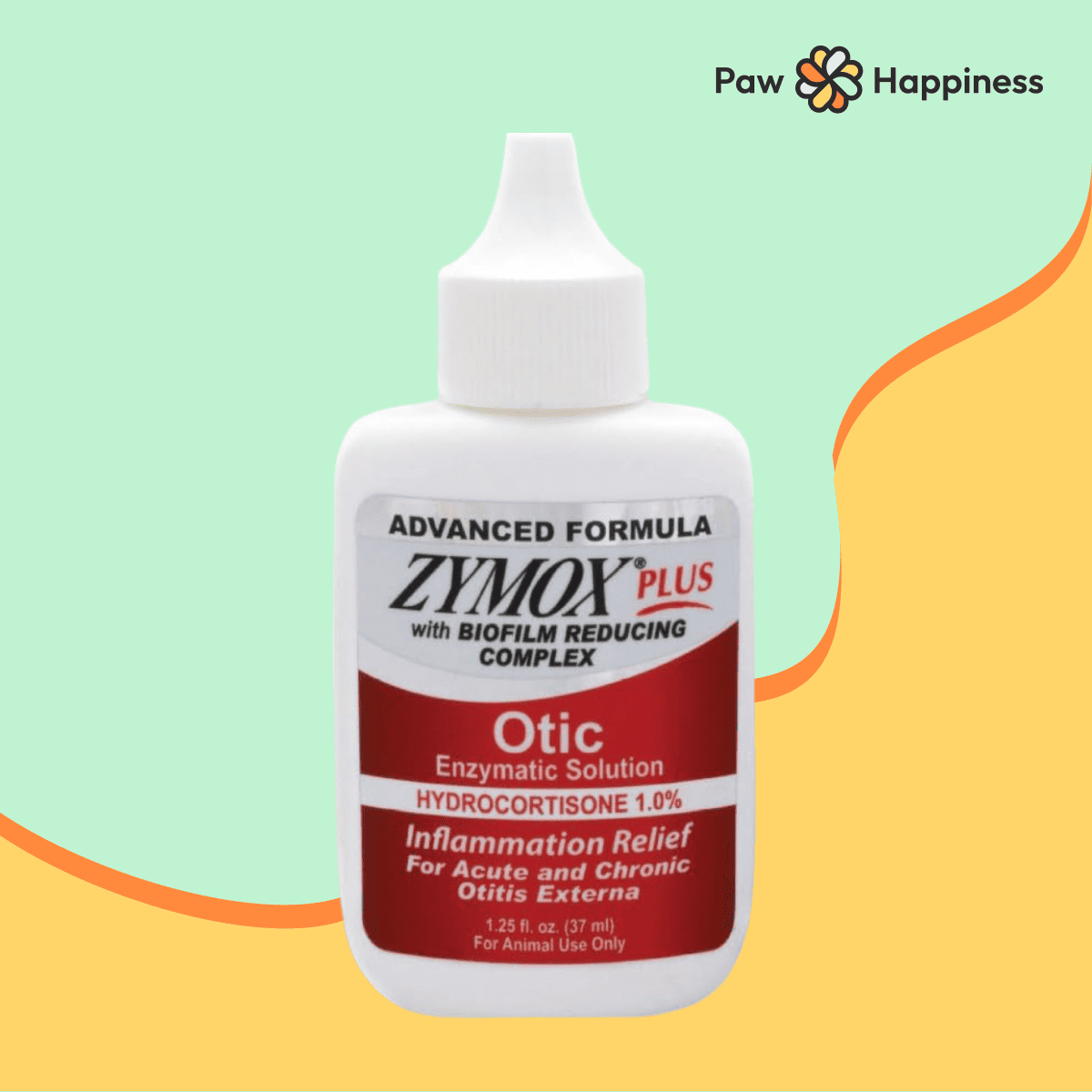
Zymox Advanced Formula Otic
Gentle cat and dog ear cleaner that soothes itching and redness, targets biofilms from resistant bacteria, fungi, and yeast, no pre-cleaning needed, with LP3 Enzyme System and 1% hydrocortisone.

Cat Toys Laser Pointer for Indoor
This interactive cat toy features a durable aluminum shell, pocket-size design, and easy slide adjustment. With 7-in-1 modes—including 5 red patterns plus red, purple, and white lights—it’s perfect for play, pet checks, and even emergency lighting. USB rechargeable and eco-friendly, it keeps indoor cats active and strengthens your bond. A fun, practical gift for any pet.

Yipetor Frozen Treat Dispensing Dog Toy
Frozen treat, slow-feeder, and interactive IQ dog toy in one—durable, safe, and great for mental stimulation.

Purina Pro Plan Veterinary Diets
Veterinary dry dog food that helps dissolve sterile struvite stones and reduce recurrence of struvite and calcium oxalate crystals, with high-quality protein and antioxidants for adult dogs.

Wahl USA Dry Skin & Itch Relief Pet Shampoo for Dogs
Made in the USA, this oatmeal pet shampoo is pH balanced, alcohol-free, paraben-free, and PEG-80 free. Its coconut lime verbena scent helps moisturize dry skin, soothe itching, and clean dirty coats. The concentrated formula means you use less while still getting a rich, easy-rinse lather. Allergy-friendly and trusted by vets and groomers for over 50 years.

Purina Pro Plan Large Breed Dry Puppy Food, Chicken and Rice Formula
Formulated to support an appropriate growth rate for large breed puppies, High protein formula, with real chicken as the first ingredient, Vitamin A and omega-6 fatty acids to nourish skin and coat, DHA from omega-rich fish oil nourishes brain and vision development. Glucosamine supports developing joints and cartilage