


Dog Behavior Change After Vaccination: What Owners Need to Know
By PawHappiness Team | Updated | 5 minutes read | Pet Health
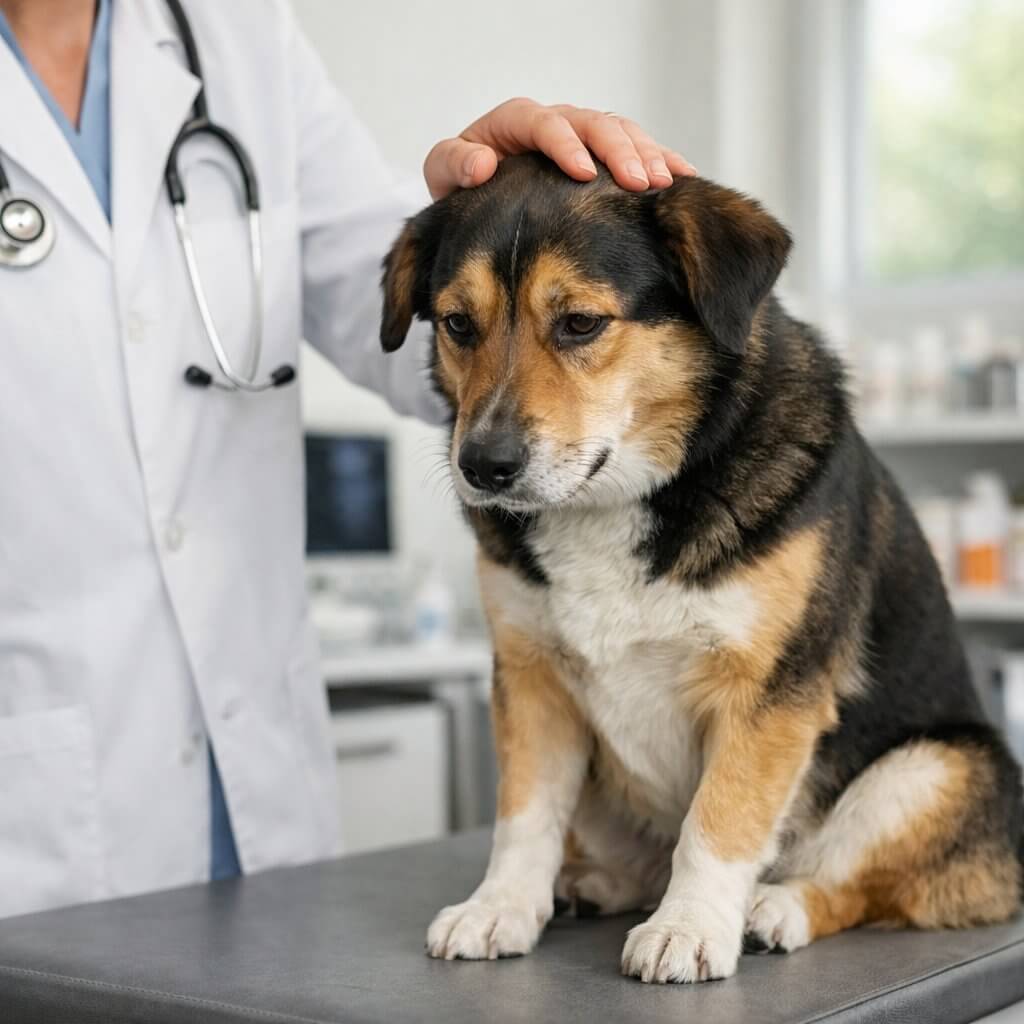
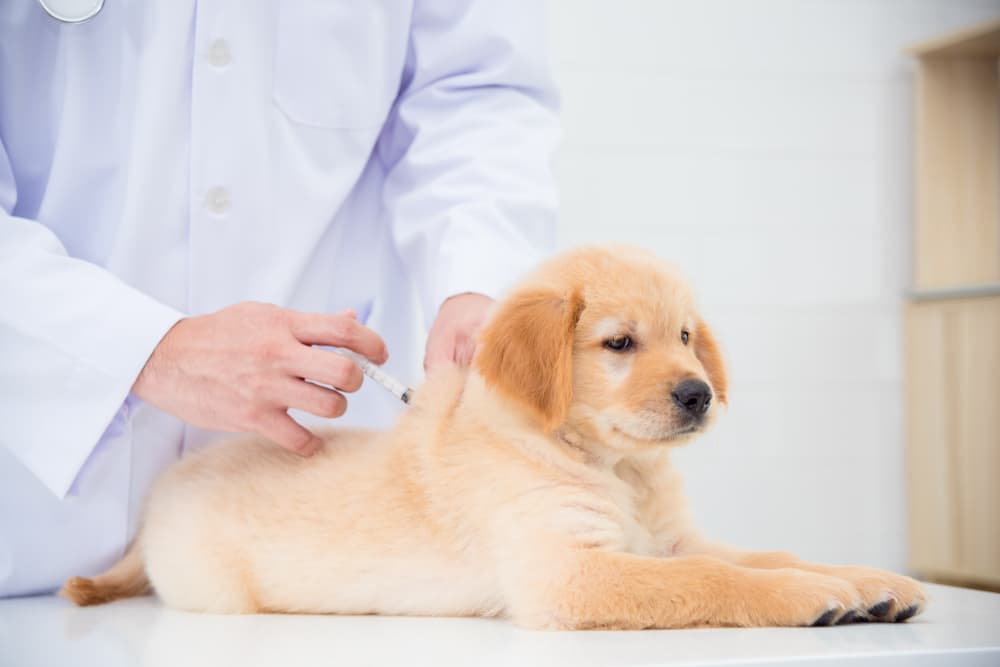
You might notice your dog acting differently after getting vaccines. This can be worrying, but it’s usually a normal reaction. Dogs can behave differently after vaccination because their bodies are working to fight off the small amounts of disease in the vaccine, and most dogs return to normal within a few hours to a few days. Changes like tiredness, loss of appetite, or soreness at the injection site are common responses.
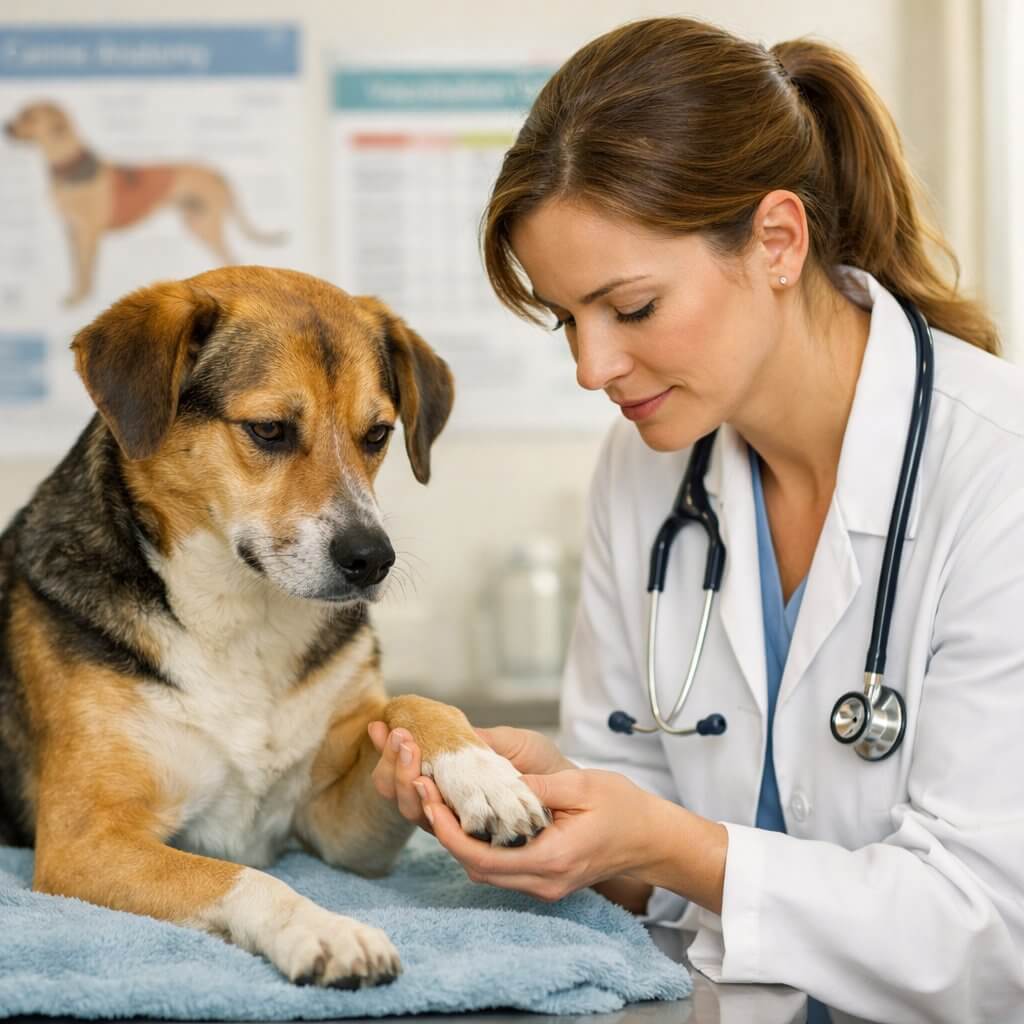
Your dog’s immune system is doing its job when these changes happen. As the body builds protection against diseases, your dog might feel under the weather. Some dogs show barely any signs, while others might seem more tired or less interested in food. Understanding what’s normal and what needs a vet’s attention will help you support your dog through the vaccination process.
The good news is that serious reactions are rare. Out of over one million vaccinated dogs in one study, only a small percentage had adverse reactions, and most of those happened on the same day as the vaccine. Knowing what to expect and how to help your dog feel better will make the experience easier for both of you.
Key Takeaways
- Most dogs show mild behavior changes after vaccination that resolve within a few hours to a few days
- Common reactions include tiredness, reduced appetite, and soreness at the injection site as the immune system responds
- Serious vaccine reactions are rare, but you should contact your vet if your dog shows signs of severe allergic reactions or prolonged symptoms
Understanding Dog Behavior Change After Vaccination
Dogs commonly show temporary behavior changes after receiving vaccines as their immune systems respond to the foreign substances. Most changes are mild and resolve within hours to a few days, though some dogs may experience more noticeable reactions based on their individual characteristics.
Typical Behavioral Changes and Timeframe
Your dog may show several common behaviors after vaccinating your dog. The most frequent change is lethargy, where your dog sleeps more than usual and seems less interested in normal activities. You might also notice a reduced appetite lasting 24 to 48 hours.
Pain or tenderness at the injection site is normal. Your dog may whimper when you touch the area or avoid lying on that side. Some dogs become more clingy and seek extra comfort from their owners.
The timeline for these behavioral changes after vaccination follows a predictable pattern. About 72% of reactions happen on the same day as the vaccine. Most dogs return to normal within 1 to 3 days.
Mild swelling at the injection site can last up to a week. If your dog still shows behavior changes after 3 days, contact your veterinarian.
Normal Versus Concerning Reactions
Normal reactions include mild tiredness, slight fever, and temporary loss of appetite. Your dog’s ears may be pulled back, and he might shake or cower slightly. These signs mean his body is building immunity.
Concerning reactions require immediate veterinary attention. Watch for difficulty breathing, swelling of the face or throat, and raised red welts on the skin. Blue-tinged gums or tongue indicate a serious problem.
Severe reactions usually occur within 15 to 25 minutes of vaccination. This is why many vets ask you to wait at the clinic after vaccinations in dogs. Vomiting, acute diarrhea, or collapse are emergency signs.
A fever above 106°F requires urgent care. Your dog’s normal temperature ranges from 101 to 102.5°F.
Breed and Individual Sensitivity Factors
Small breeds face higher risks of adverse reactions than large dogs. Chihuahuas, Dachshunds, Miniature Pinschers, Boston Terriers, and Pugs show the most sensitivity. Out of 1,226,159 vaccinated dogs, 38.2 per 10,000 had adverse reactions.
Neutered dogs carry greater risk of negative effects compared to intact dogs. Dogs receiving multiple vaccines in one session also face increased reaction risks.
Your dog’s age affects how he responds to vaccines. Younger dogs typically handle vaccines better than older dogs with existing health conditions. Body weight matters because proper dosing depends on your dog’s size.
Previous reactions to vaccines mean your dog may need antihistamines before future vaccinations. Tell your vet about any past issues with behavioral changes after vaccination so they can adjust their approach.
Supporting Your Dog Through Vaccination and Recovery
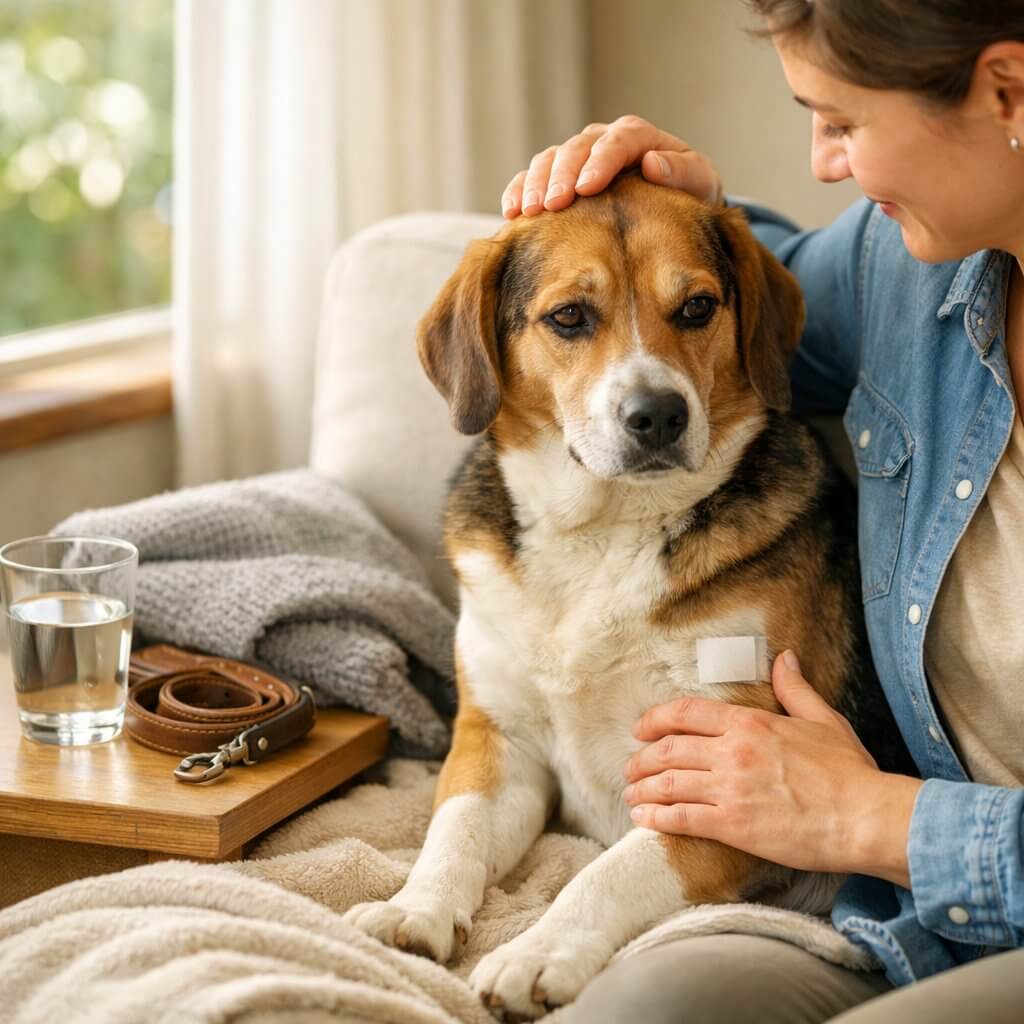
Your dog needs proper care before, during, and after vaccination to reduce side effects and support their immune system. Creating a calm environment and knowing when to seek help ensures a smooth recovery.
Caring For Your Dog Post-Vaccination
Set up a quiet recovery space where your dog can rest without interruptions. Choose a comfortable area with their bed, fresh water, and favorite toys away from loud noises and bright lights.
Keep their normal feeding schedule but don’t force them to eat if they show reduced appetite. Most dogs return to normal eating within 24 to 48 hours.
Limit physical activity for 1-2 days after vaccinations in dogs. Skip intense exercise, rough play, and dog park visits during this time. Short, calm walks are fine if your dog feels up to it.
Watch the injection site for mild swelling or tenderness. You can apply a cool compress if your vet approves. Don’t massage or press on the area.
Keep their daily routine as consistent as possible. Feed them at regular times and maintain normal sleep schedules. This stability helps reduce stress during recovery.
Give extra attention and gentle cuddles if your dog seeks comfort. Some dogs become clingy after vaccinating your dog, which is normal behavior.
When to Contact Your Veterinarian
Call your vet immediately if your dog shows these emergency symptoms:
- Difficulty breathing or excessive panting
- Severe vomiting or diarrhea lasting more than 2 hours
- Facial swelling or hives
- Collapse or extreme weakness
- Seizures or loss of coordination
Contact your vet within 24 hours if your dog experiences persistent fever above 103°F, refuses food and water for more than 24 hours, or shows signs of extreme pain at the injection site.
Reach out if behavior changes last longer than 3 days. While mild lethargy is expected, ongoing depression, unusual aggression, or constant anxiety needs evaluation.
Trust your instincts. If something feels wrong with your dog after dog vaccinations, it’s better to call and get reassurance than wait.
Long-Term Considerations and Vaccine Benefits
Dog vaccinations protect against serious diseases like rabies, distemper, parvovirus, and hepatitis. These vaccines prevent life-threatening illnesses that are expensive and difficult to treat.
Most dogs experience only minor, short-term side effects. The benefits of disease prevention far outweigh the temporary discomfort from vaccination.
Keep detailed records of your dog’s vaccination history and any reactions. This information helps your vet adjust future vaccination schedules if needed.
Some dogs may need modified vaccine protocols based on age, health conditions, or previous reactions. Your vet can create a customized plan that maintains protection while reducing risk.
Vaccines require boosters to remain effective. Follow your vet’s recommended schedule to ensure continuous immunity throughout your dog’s life.
Frequently Asked Questions
Dogs can experience mild behavior changes after vaccinations as their immune systems respond to the vaccine. Most changes resolve within a few hours to days, though certain symptoms require immediate veterinary attention.
What are common behavioral changes in dogs after receiving vaccinations?


Dogs often show lethargy after getting vaccinated. Your dog may sleep more than usual or seem less interested in playing.
A reduced appetite is another common change. Your dog might skip a meal or eat less than normal for a day or two.
Some dogs become more withdrawn or want to be left alone. You might notice your dog hiding more or avoiding interaction with family members.
Mild pain or discomfort at the injection site can make your dog sensitive to touch. Your dog may whimper, flinch, or avoid being petted near the vaccination area.
How long do post-vaccination behavior changes typically last in dogs?
Most behavioral changes last between a few hours to three days. The majority of reactions happen on the same day as the vaccination.
Your dog should return to normal behavior within 24 to 48 hours in most cases. Lethargy and reduced appetite typically resolve first.
Small amounts of swelling at the injection site can last up to a week. This is usually not a cause for concern unless it gets larger or your dog seems in significant pain.
If behavior changes continue beyond three days, contact your veterinarian. Extended symptoms may indicate a reaction that needs medical attention.
Can vaccinations cause a long-term shift in a dog’s temperament?
Long-term behavior changes from vaccinations are extremely rare. Out of over one million vaccinated dogs in one study, only 38.2 dogs per 10,000 had any adverse reactions.
Most reactions are short-term immune responses. Your dog’s temperament should return to normal once their body adjusts to the vaccine.
Small breed dogs face slightly higher risks of adverse reactions than large dogs. Breeds like Chihuahuas, Dachshunds, and Boston Terriers show more sensitivity to vaccines.
Neutered dogs also carry a slightly greater risk of adverse effects. However, the overall chances of permanent temperament changes remain very low.
What symptoms should prompt a consultation with a veterinarian post-vaccination?
Call your vet if your dog has a fever above 103 degrees Fahrenheit. A temperature of 106 degrees or higher requires urgent emergency care.
Contact your veterinarian if your dog refuses all food for more than 24 hours. While appetite loss is common, complete refusal to eat warrants attention.
Severe pain that prevents your dog from walking or moving normally needs evaluation. Your vet can prescribe stronger pain medication if needed.
Watch for increasing swelling at the injection site. If the swollen area grows larger, feels hot, or causes your dog significant distress, seek veterinary advice.
Are there any specific signs of adverse reactions to watch for following dog vaccinations?
Swelling of the face, ears, or head indicates a possible allergic reaction. This condition is called angioedema and requires immediate veterinary care.
Difficulty breathing or a bluish color to the tongue or gums signals a serious emergency. These symptoms can indicate anaphylactic shock, which can be fatal without quick treatment.
Raised red welts or hives on the skin suggest an allergic reaction. These welts often appear on the face, ears, lips, or throat but can show up anywhere on your dog’s body.
Vomiting or acute diarrhea after vaccination needs attention. While mild stomach upset can be normal, severe or persistent digestive symptoms require veterinary evaluation.
Stay at the veterinary clinic for 15 to 25 minutes after vaccination. Most severe allergic reactions happen within this time frame, and immediate treatment can save your dog’s life.
Extra Deals & Recommendations From Our Partners
Discover exclusive offers, tools, and products from brands we collaborate with.


Zesty Paws Dog Multivitamin
8-in-1 multifunctional dog supplement chews supporting joint, heart, immune, skin, gut, liver, and performance health with probiotics, antioxidants, MSM, glucosamine, and cod liver oil.

Automatic Cat Feeder, 4L Cat Food Dispenser
This automatic pet feeder ensures smooth, clog-free feeding with a smart food distribution system, eliminating the need for shaking or manual fixes. It features programmable meal scheduling, dual power supply for reliability, a freshness-locking design with desiccant, an anti-theft lid, and a 10-second custom voice recording to call your pet at mealtime.

Purina Tidy Cats Breeze System — Best for Low Maintenance
These Tidy Cats Breeze Multi-Cat Pads are designed for the Breeze system, offering fast absorption and up to 7 days of ammonia odor control for two cats. Each pack includes 8 disposable pads that lock in moisture to keep the litter box dry and your home smelling fresh. Cleanup is simple with no urine clumps to scoop. Backed by a satisfaction guarantee for worry-free use.

Zesty Paws Probiotics for Dogs
This supplement features a six-strain probiotic blend delivering 3 billion CFU, including Bacillus subtilis DE111® and multiple Lactobacillus strains to support digestive balance. Made with natural ingredients like coconut glycerin, flaxseed, pumpkin, papaya, and rosemary extract, it’s free from artificial additives and crafted for quality and effectiveness.

Dog Allergy Chews 200ct
Soft allergy chews for dogs that relieve itching, hot spots, and rashes while supporting skin, immune, and gut health with omega-3 salmon oil, colostrum, and probiotics.

Nutricost Taurine Powder 250 Grams
This taurine supplement provides 250 grams per bottle with a convenient 2-gram serving size and included scoop for easy dosing. It is Non-GMO, gluten-free, and third-party tested to ensure quality and purity. Manufactured in an NSF-certified, GMP-compliant, and FDA-registered facility, it offers a reliable and high-quality option for daily supplementation.

Love’s cabin Round Donut Cat and Dog Cushion Bed
Love’s cabin donut dog bed features cozy nest-like walls and 25% extra filling to better hold its shape. The round cuddler design lets pets curl up while the raised rim supports the head and neck, easing joint and muscle pain. Made with OEKO-TEX certified ultra-soft fabric, it’s warm, machine washable, and has a non-slip bottom.

25 Pack Dog Vaccines Large
Bulk Pack of 25 Dog Vaccine Record Books – Tri-fold design with double-sided printing, made from durable 120g paper. Keep track of vaccinations, deworming, and health events easily. Ideal for breeders, vets, and multi-pet households.