


Rabies Vaccine for Dogs: Why It Matters, How It Works, and What Pet Owners Should Know
By PawHappiness Team | Updated | 5 minutes read | Pet Vaccinations
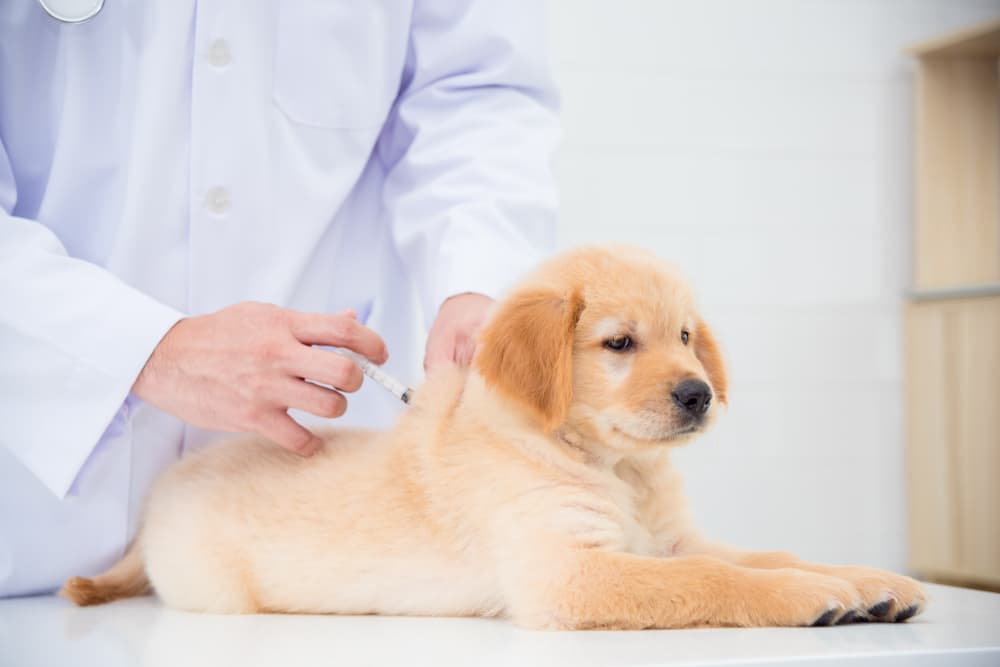
Table of Contents
- What Is the Rabies Vaccine for Dogs and Why Is It Required?
- How the Rabies Vaccine for Dogs Works
- When Should Dogs Get the Rabies Vaccine?
- Possible Side Effects of the Rabies Vaccine
- How to Help Your Dog After Their Rabies Vaccine
- FAQs About the Rabies Vaccine for Dogs
- Helpful Amazon Products for Post-Vaccination Comfort
- Why Rabies Vaccination Helps Protect Your Entire Community
- When to Call Your Vet About Vaccination Concerns
- Conclusion
It’s easy to overlook vaccines when your dog seems perfectly healthy, but protecting your pet from rabies is one of the most important things you’ll ever do as a dog owner. The rabies vaccine for dogs isn’t just a routine shot—it’s a lifesaving safeguard against a deadly virus that affects both animals and humans. Many pet parents worry about safety, side effects, or whether their dogs really need the vaccine. If that sounds like you, don’t worry. We’re going to break everything down in simple, everyday language.
Rabies is a disease that spreads through bites from infected animals like bats, raccoons, foxes, and stray dogs. Once symptoms appear, it’s almost always fatal. That’s why prevention—not treatment—is the only real solution. Vaccinating your dog doesn’t just protect them, but also helps create a safer environment for your family and community. In this guide, we’ll cover how the rabies vaccine works, when your dog should get it, what to expect after vaccination, and why staying up-to-date is so important.
What Is the Rabies Vaccine for Dogs and Why Is It Required?
The rabies vaccine for dogs is a core vaccine, meaning it’s considered essential for all dogs regardless of breed, age, or lifestyle. It trains your dog’s immune system to recognize the virus and fight it before it can cause illness.
Why the Rabies Vaccine Matters
- Rabies is 100% fatal once symptoms begin.
- Dogs can catch rabies from wildlife or stray animals.
- Many countries and states legally require rabies vaccination.
- It protects humans—rabies can spread from dogs to people.
Even if your dog stays indoors most of the time, accidents happen. A single escape from the yard or interaction with a sick wild animal could be enough to expose them. Vaccination ensures your dog has strong protection in place.
How the Rabies Vaccine for Dogs Works
Vaccines work by introducing a safe version of the virus that teaches your dog’s immune system how to recognize and destroy the real thing. The rabies vaccine contains an inactivated (killed) form of the virus, so it can’t cause rabies infection.
After receiving the vaccine:
- Your dog’s body produces protective antibodies.
- These antibodies stay on guard long-term.
- If your dog encounters the virus, their immune system responds quickly.
This is why vaccinated dogs rarely develop rabies, even if exposed.
When Should Dogs Get the Rabies Vaccine?
The timing of the rabies vaccine depends on your dog’s age and your local regulations, but here’s the general schedule most vets follow.
Puppy Rabies Vaccine Schedule
- First dose at 12–16 weeks of age
- Booster 1 year later
Adult Dog Rabies Vaccine Schedule
- Booster every 1 or 3 years, depending on the vaccine used
- Your vet will recommend the correct interval
Why Boosters Matter
Immunity wanes over time, just like in humans. Boosters keep your dog fully protected, especially if they spend time outside or around other animals.
If you’re unsure when your dog last received a rabies shot, call your vet—they can check medical records and give you a safe follow-up plan.
Possible Side Effects of the Rabies Vaccine
Most dogs handle the rabies vaccine very well, but mild side effects can happen. They usually appear within 24 hours and disappear quickly.
Common Mild Side Effects
- Sleepiness
- Slight fever
- Soreness around the injection site
- Reduced appetite for a day
These reactions are normal and simply show the immune system is responding.
Rare but Serious Reactions
Contact your vet immediately if your dog shows:
- Facial swelling
- Difficulty breathing
- Vomiting
- Hives or severe itching
- Extreme lethargy lasting more than 48 hours
These reactions are very rare but need quick medical attention.
How to Help Your Dog After Their Rabies Vaccine
After the appointment, your dog may feel a little “off,” which is completely normal. Here’s how to support them at home.
Comforting Tips
- Give them a quiet place to rest.
- Offer fresh water and light meals.
- Avoid long walks or intense play for 24 hours.
- Gently check the injection site for swelling.
If your dog is extra sensitive, a warm compress on the injection area may help ease discomfort.
FAQs About the Rabies Vaccine for Dogs
Is the rabies vaccine safe?
Yes. It’s one of the safest and most thoroughly tested vaccines available for pets.
Can a vaccinated dog still get rabies?
Very rarely. The vaccine is highly effective when boosters are up to date.
Is the vaccine painful?
Most dogs only feel a quick pinch. Some may be sore afterward.
Do indoor dogs need the vaccine?
Absolutely—rabies does not discriminate. Indoor dogs can escape or encounter wildlife.
Is the rabies vaccine legally required?
In most places, yes. Failing to vaccinate your dog can result in fines.
Helpful Amazon Products for Post-Vaccination Comfort
These products aren’t vaccines but can help your dog feel more comfortable after their shot—or keep their immune system healthy overall.

KONG Puppy Toy for Stress Relief
The KONG Ring is a durable chew toy made from KONG’s natural red rubber, designed for long-lasting chewing sessions. Its added nubs enhance the chewing experience while helping clean teeth and support healthy gums. This toy provides enrichment, satisfies natural chewing instincts, and encourages healthy chewing habits.
Buy NowWhy Rabies Vaccination Helps Protect Your Entire Community
Vaccinating your dog isn’t only about individual protection—it helps keep rabies under control in the wider community. When more pets are vaccinated, rabies has fewer opportunities to spread. This helps reduce outbreaks and keeps everyone, including children and other animals, safe.
This concept is known as herd immunity, and it’s one of the reasons why rabies has become extremely rare in vaccinated dog populations.
When to Call Your Vet About Vaccination Concerns
Reach out to your veterinarian if:
- You’re unsure when your dog’s last vaccine was
- Your dog had a previous reaction to a vaccine
- Your puppy missed a scheduled dose
- You’re planning international travel
- Your dog has a weakened immune system
Your vet can create a customized vaccination plan based on your dog’s health needs.
Conclusion
The rabies vaccine for dogs is one of the most important steps you can take to protect your pet—and your family—from a deadly disease. While it may feel like “just another shot,” this vaccine saves countless lives every year. With a simple schedule, low risk of side effects, and long-lasting protection, it’s a small investment in your dog’s lifelong safety.
Keeping up with routine boosters, knowing what to expect after vaccination, and staying informed will help ensure your dog stays healthy and happy. For more helpful pet care tips, vaccination guides, and product recommendations, feel free to explore additional resources anytime.


Extra Deals & Recommendations From Our Partners
Discover exclusive offers, tools, and products from brands we collaborate with.


Zesty Paws Probiotics for Dogs
This supplement features a six-strain probiotic blend delivering 3 billion CFU, including Bacillus subtilis DE111® and multiple Lactobacillus strains to support digestive balance. Made with natural ingredients like coconut glycerin, flaxseed, pumpkin, papaya, and rosemary extract, it’s free from artificial additives and crafted for quality and effectiveness.
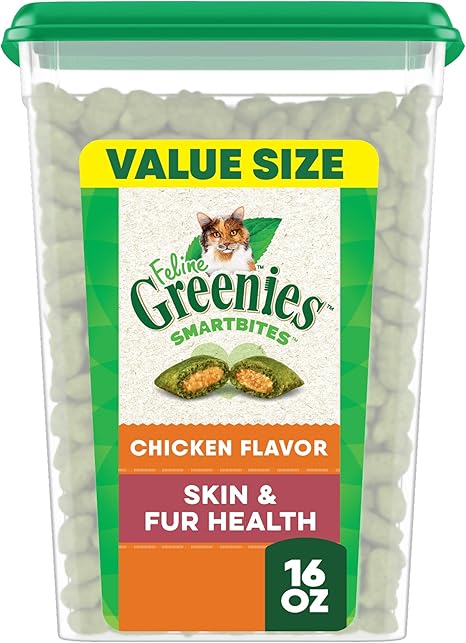
Greenies Pill Pockets for Cats
These Feline Greenies Smartbites are vet-designed cat treats made with omega-3–rich fish oil and flaxseed to support healthy skin and fur. They include added vitamins and minerals for balanced nutrition, and come in a tasty chicken flavor with a crunchy-soft texture. Perfect as daily treats or for use in treat-dispensing toys to keep adult cats happy and engaged.

Impact Collapsible Dog Crate
This enhanced dog crate features secure slide-bolt latches with Paw Block and locking tips for added safety. Measuring 36.6" x 21.9" x 24.5", it suits medium breeds 40–70 lbs and includes a divider panel, leak-proof pan, rubber feet, and handle. Easy to assemble without tools, it folds flat for travel. Durable construction, proper ventilation, and rounded corners ensure a safer, more comfortable den for your dog.

Life Extension Cat Mix, cat Food Supplements
Cat multivitamin that supports overall health with 10+ essential vitamins, probiotics for digestion, and amino acids like taurine and arginine for heart, eye, and organ health. Made with quality ingredients in the USA.

MJIYA Cat Collar with Bell
Introducing our Classic Plaid Cat Collars with bells—cute, stylish, and perfect for everyday wear or holidays. The adjustable 8–12 inch size fits most cats and small dogs, and the silver bell helps you locate your pet. A breakaway buckle ensures safety, while the smooth, cat-shaped clasp is designed to prevent sharp edges found on many other collars.
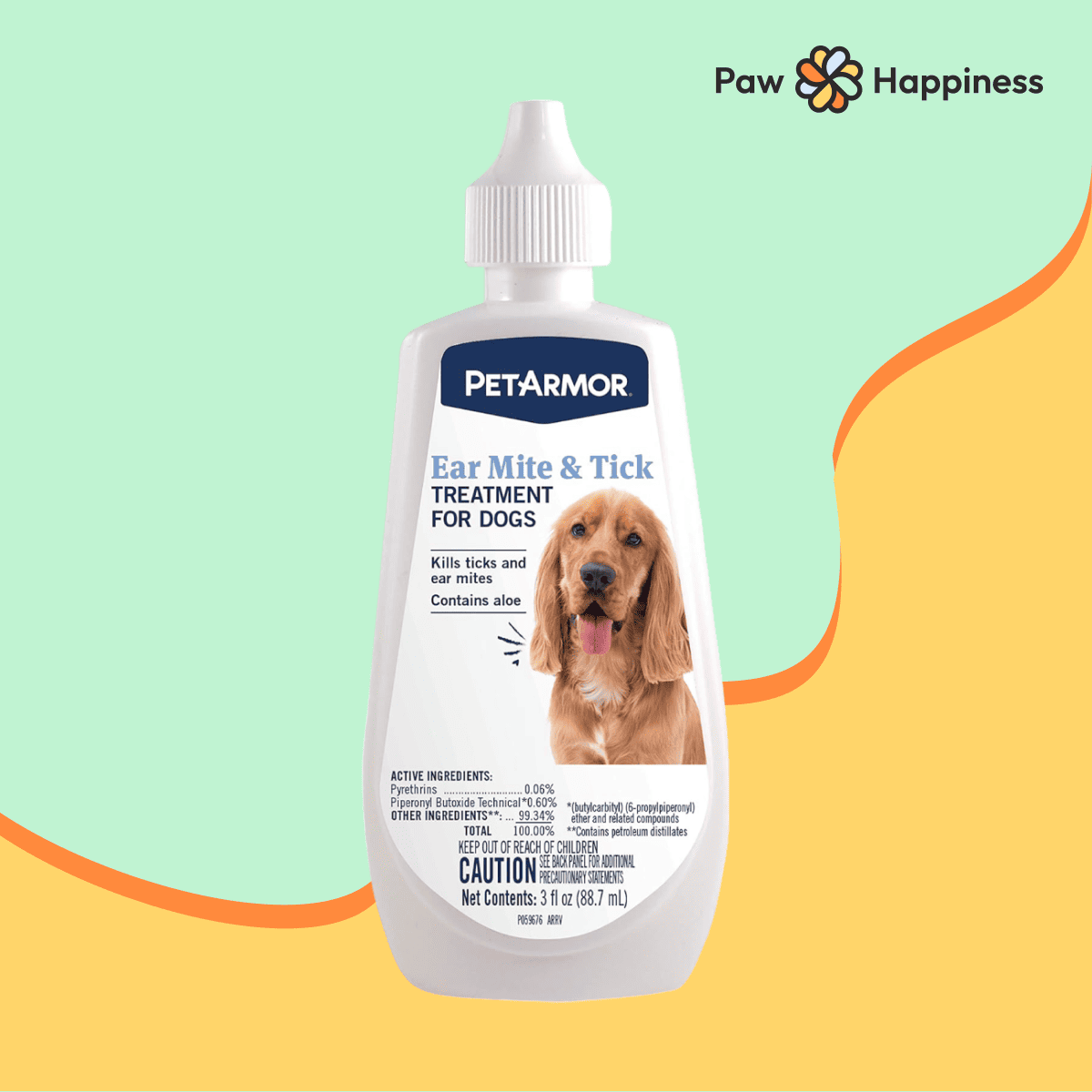
PetArmor Ear Mite Treatment for Dogs
PetArmor Ear Mite & Tick Treatment kills ear mites and ticks while soothing itchy ears with aloe. Safe for dogs 12 weeks and older; apply 5 drops per ear twice daily for effective relief.

Outward Hound Granby Splash Dog Life Jacket
This high-performance dog life jacket offers strong buoyancy for swimmers of all levels, keeping your pup safe and supported in the water. Adjustable straps with quick-release buckles ensure a secure, comfortable fit. Bright colors with reflective trim enhance visibility, while dual grab handles and a front neck float add safety. Durable, lightweight ripstop material allows natural movement and all-day comfort.

Amazon Basics Dog and Puppy Pee Pads
XL 5-layer leakproof puppy pads with quick-dry gel core, built-in attractant, and strong floor protection.