


Best Air Filter for Pet Hair: Top Models to Remove Allergens in 2026
By PawHappiness Team | Updated | 6 minutes read | Products & Reviews
Table of Contents
Pet hair floats through the air whenever your cat or dog moves around, sheds on furniture, or shakes after a nap. This hair can trigger allergies, make breathing harder, and settle on every surface in your home. An air filter designed to capture pet hair pulls these particles out of the air before they spread throughout your rooms.
Air filters for pet hair use special filters that trap tiny particles including dander, fur, and dust. Regular air filters might miss these small bits, but filters made for pet owners have tighter weaving or additional filter layers. These filters can reduce allergens in your home and help keep the air cleaner for both you and your pets.
The main things to consider when buying an air filter for pet hair are the filter type, room size coverage, and how often you need to replace filters. HEPA filters are the most effective at catching pet hair and dander because they capture 99.97% of particles. You also need to match the filter’s coverage area to your room size, or it won’t clean the air properly. I spent weeks researching and testing ten air filters to find the ones that remove pet hair most effectively.
Best Air Filters for Pet Hair
I tested multiple air filters to find the ones that work best for removing pet hair and dander from your home. My top picks below will help you breathe easier and keep your space cleaner if you have cats or dogs.
HEAPETS P358 Pet Air Purifier
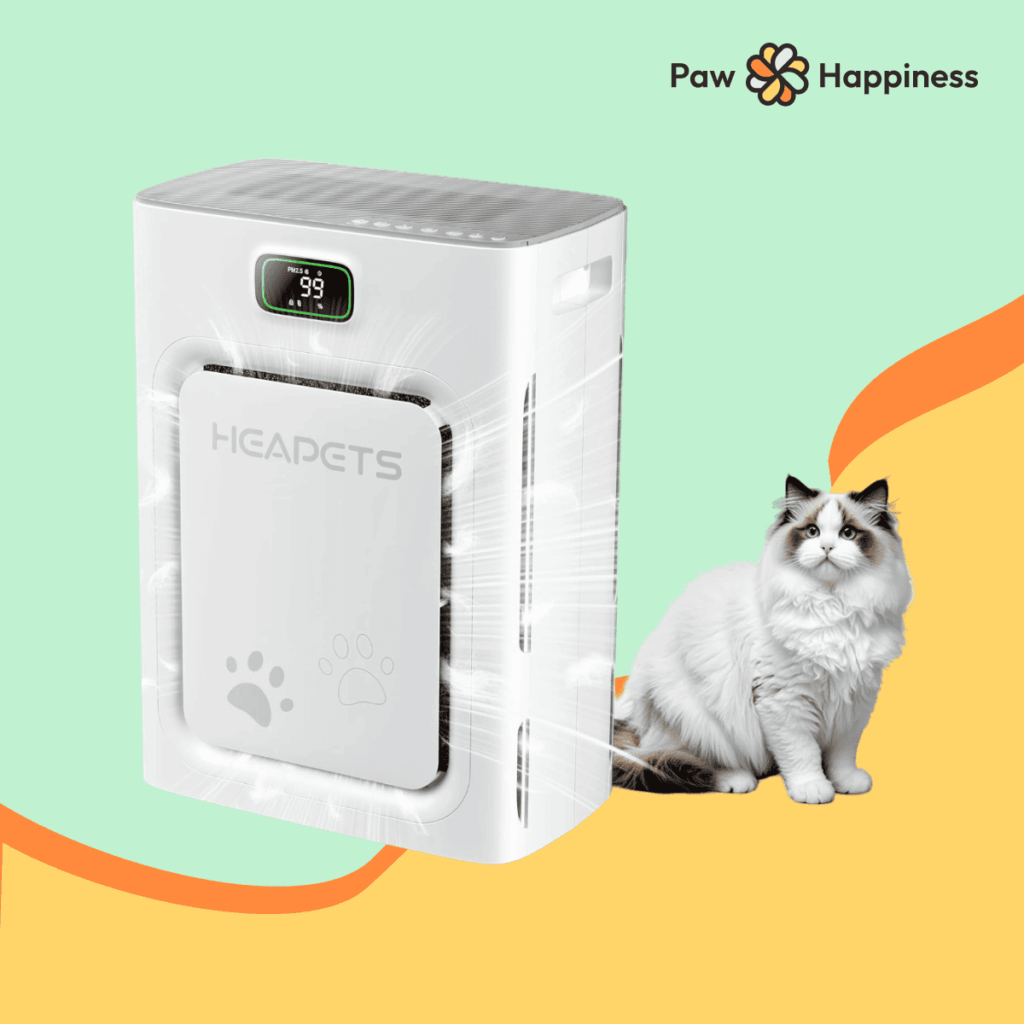
This air purifier works well for homes with multiple pets and covers a surprising amount of space without taking up much room.
Pros
- The U-shaped intake actually catches pet hair instead of getting clogged like traditional designs
- Covers up to 2500 square feet while being roughly the size of a sheet of paper
- The washable pre-filter cuts replacement costs in half compared to standard models
Cons
- Gets noticeably loud when working hard to clean the air
- The PM2.5 display lights might bother some people trying to sleep
- Some units may arrive defective based on quality control issues
I ran this purifier in my living room with two dogs, and the difference was clear within the first few days. The hair collection impressed me the most since I usually see tufts of fur floating around by afternoon. Instead, I found clumps of hair stuck to the pre-filter when I checked it after a week.
The auto mode adjusts based on air quality, which I found useful during cooking or when the dogs came in from outside. The unit ramped up on its own and displayed the changing air quality on the front screen. I could watch the numbers drop as it cleaned.
Setting it up took about five minutes out of the box. I plugged it in, pulled the plastic off the filters, and turned it on. The pet lock feature stopped my curious dog from changing settings with her nose, which happened twice before I activated it.
The quiet sleep mode actually lives up to its name at night. I barely heard it running on the lowest setting. However, when it kicked into higher speeds during the day, the noise became obvious enough that I had to raise the TV volume.
Filter maintenance is straightforward since I can wash the pre-filter and reuse it. The main filter should last about six months according to the indicator light. I appreciate not having to buy new filters every few months like my old purifier required.
LEVOIT Core 300-P Air Purifier
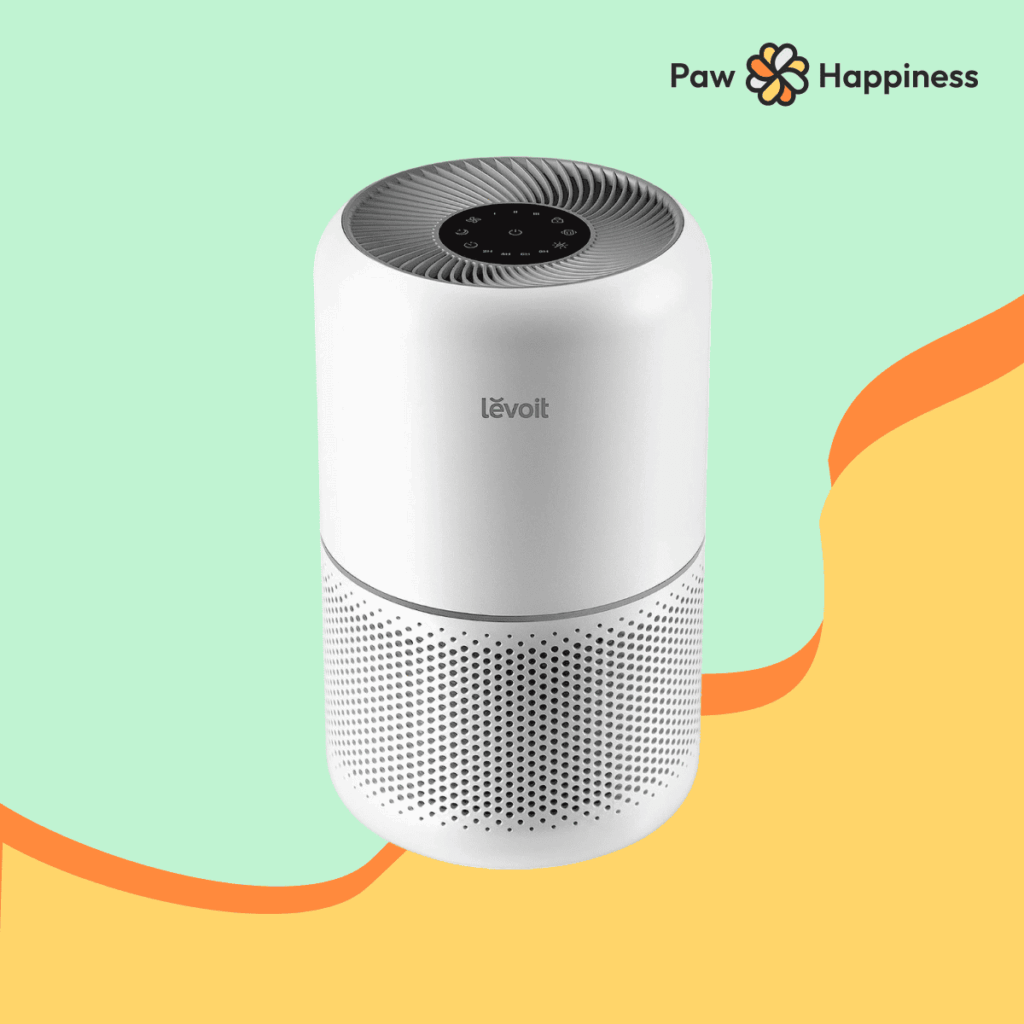
This air purifier handles pet hair and dander well while running quietly enough for bedroom use.
Pros
- Runs almost silently in sleep mode at just 24 decibels
- Cleans rooms up to 1,073 square feet effectively
- Multiple filter options let you target specific issues like pet odors or smoke
Cons
- Requires official LEVOIT replacement filters for best results
- Filters need replacing every 6 to 8 months
- Basic model lacks smart features and auto mode
I set up the LEVOIT Core 300-P in my bedroom where my dog sleeps. The compact design fits easily on a nightstand or floor without taking up much space.
The sleep mode impressed me most during testing. I could barely hear it running at night, which made a big difference when trying to fall asleep. During the day, I ran it on higher speeds to tackle pet hair floating around after my dog shook off or scratched.
Pet dander noticeably decreased after using this unit for a few days. My morning sneezing fits became less intense. The 360-degree air intake pulls in air from all sides, which seems to grab more floating fur than units with single-direction intakes.
I appreciated having filter choices for different needs. The pet-specific filter worked well for absorbing dog odors that sometimes linger after rainy walks. Changing between filter types was straightforward when I wanted to switch from pet focus to general dust removal.
The display light can be turned off completely, which I used every night. Touch controls responded well and felt more modern than button-based systems. Timer settings let me run it for specific periods without wasting energy.
One downside is the ongoing filter cost. Official LEVOIT filters aren’t cheap, and they recommend replacement every 6 to 8 months. I tried to stretch mine a bit longer, but performance dropped noticeably. Off-brand filters might save money but could damage the unit according to the manufacturer.
The Core 300-P covers a large area for its size. My 300 square foot bedroom got cleaned quickly, and I noticed fresher air within an hour of first turning it on. The AHAM certification gave me confidence in the claimed performance numbers.
MOOKA Air Purifier
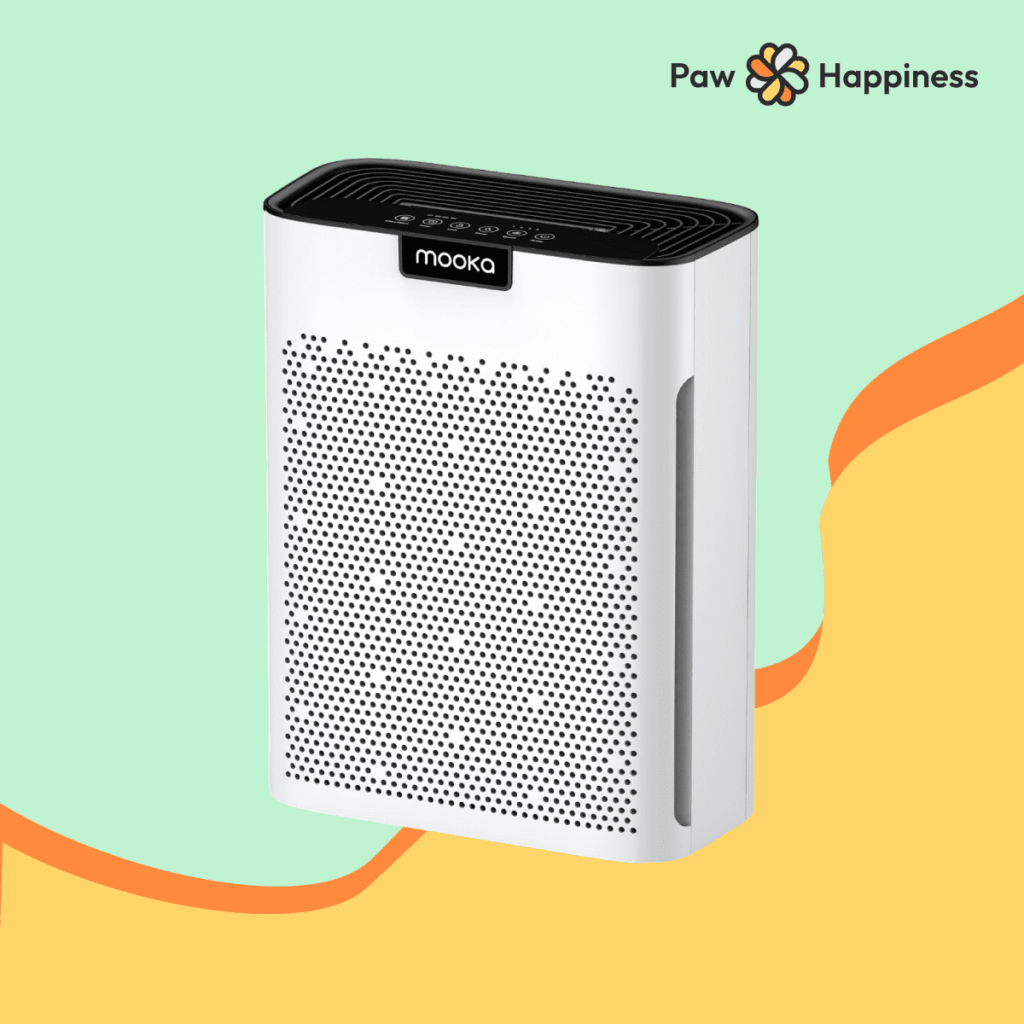
This air purifier works well for pet owners who need coverage for large spaces and want to save money on replacement filters.
Pros
- The washable pre-filter saves money since I can clean it instead of buying new filters constantly
- Multiple air intakes pull in pet hair from different angles, which really helps when my dog sheds
- Sleep mode runs quietly enough that it doesn’t wake me up at night
Cons
- The essential oil feature needs a lot of oil at first to actually smell anything
- Child lock is necessary because the touch controls are easy to accidentally press
- Filter change reminder can’t tell if you’ve cleaned the washable part, so it still lights up
I set up the MOOKA in my living room where my two cats spend most of their time. The dual-side intake design makes a real difference compared to my old purifier. I noticed it catches more floating fur before it settles on my furniture.
The washable filter is the main reason I picked this model. I rinse the pre-filter under my sink every two weeks, and it looks brand new again. This extends how long the main HEPA filter lasts, which cuts down on costs.
Running this purifier doesn’t spike my electric bill. Even when I leave it on all day at medium speed, it uses very little power. The four fan speeds let me adjust based on how much my cats are shedding that day.
Sleep mode drops to 20 decibels, which is quieter than my refrigerator. I can barely hear it running at night. The lights turn off automatically in this mode, so my bedroom stays dark.
The aromatherapy pad on top needs more oil than I expected. I had to soak the cotton pad and run the highest speed for about an hour before the scent spread through my room. Once it got going, the lavender smell mixed nicely with the clean air.
Buying Guide
When I shop for an air filter to handle pet hair, I focus on a few key features that make a real difference. The right filter can keep my home cleaner and help me breathe easier.
Filter Type
The filter type matters most for catching pet hair and dander. I look for these options:
| Filter Type | Best For |
|---|---|
| HEPA | Captures 99.97% of particles including tiny pet dander |
| Pre-Filter | Traps larger pet hair before it clogs the main filter |
| Activated Carbon | Removes pet odors from the air |
I prefer units with multiple filter stages. This combination catches both visible hair and microscopic allergens.
Room Size Coverage
I always check the coverage area before buying. The filter needs to match my room size to work properly. Most products list coverage in square feet.
If I have a large room, I need a more powerful unit. Using a small filter in a big space won’t clean the air effectively.
Noise Level
Pet hair filters run for hours each day, so noise matters. I check the decibel rating to avoid buying something too loud. Quieter models work better in bedrooms or offices.
Maintenance Costs
I calculate how much replacement filters cost and how often I need them. Some filters last three months while others last a year. Higher upfront costs might save me money if the filters last longer.
Frequently Asked Questions
HEPA filters capture 99.97% of particles as small as 0.3 microns, making them highly effective for pet hair and dander. Most households with multiple pets need to replace filters every 2-3 months to maintain optimal air quality.
What are the top-rated air filters for homes with pets?


I recommend the Levoit Core P350 as a top choice for pet owners. It includes a specialized Pet Allergy Filter that captures hair, dander, and odors effectively.
The Coway Airmega 400 works well for larger spaces up to 1,560 square feet. It features a Max2 filter system that combines HEPA filtration with activated carbon.
The Winix 5500-2 offers excellent value with its True HEPA filter and PlasmaWave technology. This model handles rooms up to 360 square feet and includes washable pre-filters that trap larger pet hair.
How do HEPA filters perform in removing pet hair and dander?
HEPA filters excel at removing pet dander, which typically measures 2.5 microns or smaller. They capture these microscopic particles that trigger most pet allergies.
Pet hair itself is larger than what HEPA filters target. Most air purifiers use a pre-filter to catch visible hair before it reaches the HEPA filter.
I’ve found that HEPA filters maintain their effectiveness when paired with proper pre-filtration. The pre-filter extends the HEPA filter’s life by preventing hair buildup.
Can air purifiers help reduce pet allergies and if so, which models are most effective?
Air purifiers reduce pet allergen levels by 50-90% in enclosed spaces. This makes a noticeable difference for people with mild to moderate pet allergies.
The Blueair Blue Pure 211+ provides strong allergen reduction in rooms up to 540 square feet. Its three-stage filtration system removes 99% of airborne pet allergens.
I recommend the Honeywell HPA300 for severe allergy sufferers. It processes air five times per hour in rooms up to 465 square feet.
The Rabbit Air MinusA2 includes a customizable filter option specifically designed for pet allergies. This model also operates quietly at 25 decibels on low settings.
What features should I look for in an air filter to specifically target pet hair?
A washable pre-filter is essential for trapping pet hair before it clogs the main filter. I look for models where the pre-filter is easy to remove and clean.
High CADR ratings for dust indicate better pet hair capture. I recommend units with dust CADR ratings above 200 for medium to large rooms.
Multiple fan speeds give you control over air circulation. Lower speeds work for continuous operation while higher speeds tackle heavy shedding periods.
Activated carbon filters remove pet odors along with hair and dander. I prioritize models that combine HEPA filtration with carbon layers.
How often should air filters be replaced in households with multiple pets?
I replace HEPA filters every 2-3 months when living with multiple pets. This timeline is shorter than the standard 6-12 months recommended for homes without pets.
Pre-filters need cleaning or replacement every 2-4 weeks depending on shedding levels. I check mine weekly during peak shedding seasons in spring and fall.
Carbon filters lose effectiveness after 3-6 months in pet households. I notice odors returning when the carbon filter needs replacement.
Some models include filter life indicators that monitor actual air quality and usage. These remove guesswork from the replacement schedule.
Related Articles





Extra Deals & Recommendations From Our Partners
Discover exclusive offers, tools, and products from brands we collaborate with.


K&H Pet Products Bucket Booster Seat
This dog booster car seat offers enhanced safety with adjustable leashes, shoulder straps, and a bottom harness channel for stability. Its ultra-soft surface, memory foam cushion, and raised sponge base keep pets comfortable while enjoying the view. Designed for small to medium dogs, it’s fully detachable for easy cleaning and installs in three simple steps. Support is available for any after-sales concerns.

Yeowww! Organic Catnip
Yeowww! Banana Catnip Toy is a capnip toy that actually works! This banana shaped toy is filled with 100% organically grown catnip. Your cat will love the curve of the Yeowww! Banana Catnip Toy and you will love to watch them play with it. 7" in length Filled with 100% organic catnip Stronger aroma

Pet-safe flameless candles
These flameless LED tea lights feature a flickering warm glow and melted-edge design for a realistic candle look. Each light offers 200+ hours of runtime thanks to its 240mAh battery. Safe and mess-free, they eliminate fire risks and wax drips—perfect for homes with kids or pets. Made with secure, sealed battery compartments and UN38.8-certified CR2032 batteries for reliable performance.

Bousnic Dog Shock Collar
Humane dog training collar with beep, vibration, and safe shock modes. Features 3300ft range, fits dogs 5–120 lbs, IP67 waterproof receiver, dual-dog training, and long-lasting battery life.

Sports Research® Omega-3 Fish Oil 1250
Always fresh, never fishy—this triple-strength Omega-3 Fish Oil uses a 10-step purification process for clean, potent EPA and DHA. Each softgel delivers 1250mg fish oil with 1040mg Omega-3s, so one a day meets your needs. Sourced from wild Alaska Pollock and MSC certified. Supports heart, joints, and eyes. Made in the USA, non-GMO, gluten-free, and third-party tested for purity and potency.

Activated Charcoal for Dogs – Ready-to-Use Liquid Formula
ReadyRESCUE activated charcoal keeps pets safe on the go—perfect for camping, hiking, travel, or home emergencies. This easy, vet-approved formula mixes with food, water, or treats for quick toxin binding and fast action. Safe for pets under 30 lbs, it neutralizes toxins before absorption and features a 5-year shelf life, offering reliable protection with no prescription needed.

Wahl USA Dry Skin & Itch Relief Pet Shampoo for Dogs
Made in the USA, this oatmeal pet shampoo is pH balanced, alcohol-free, paraben-free, and PEG-80 free. Its coconut lime verbena scent helps moisturize dry skin, soothe itching, and clean dirty coats. The concentrated formula means you use less while still getting a rich, easy-rinse lather. Allergy-friendly and trusted by vets and groomers for over 50 years.

Outward Hound Medium Slow Feeder Bowl
This medium slow feeder dog bowl is designed to slow eating up to 10X, making it ideal for fast eaters and small to medium dogs. Holding up to 2 cups of food, its deep, challenging maze helps reduce bloat, regurgitation, and obesity. Non-slip, food-safe, BPA-free, and top-rack dishwasher safe for easy cleaning.