


Best Couch Material for Cats: Durable Fabrics That Resist Scratching and Shedding
By PawHappiness Team | Updated | 6 minutes read | Products & Reviews
Table of Contents
Cats spend a lot of their time on furniture, especially couches where they like to nap, scratch, and play. Choosing the right couch material can save you money on repairs and keep your furniture looking good longer. The material you pick affects how well your couch holds up to claws, how easy it is to clean fur and stains, and whether your cat will be drawn to scratch it.
Some couch fabrics resist scratching better than others, and the weave pattern matters just as much as the fiber type. Tightly woven materials with smooth surfaces give cat claws less to grab onto. Loose weaves and soft textures like velvet or chenille can snag easily and show damage faster. You also need to think about how the fabric handles cleaning, since cats can leave behind fur, dirt, and occasional accidents.
When shopping for a cat-friendly couch, pay attention to the fabric’s durability rating, weave tightness, and whether it’s treated to resist stains. The color you choose can hide or show fur depending on your cat’s coat. We researched and evaluated different couch materials to find the ones that stand up best to life with cats.
Best Couch Materials for Cats
We tested dozens of couch fabrics to find the ones that stand up best to cat claws and fur. Our top picks resist scratching, clean up easily, and stay looking good even with daily use by your cats.
Best Pet Supplies Catify Cat Scratcher
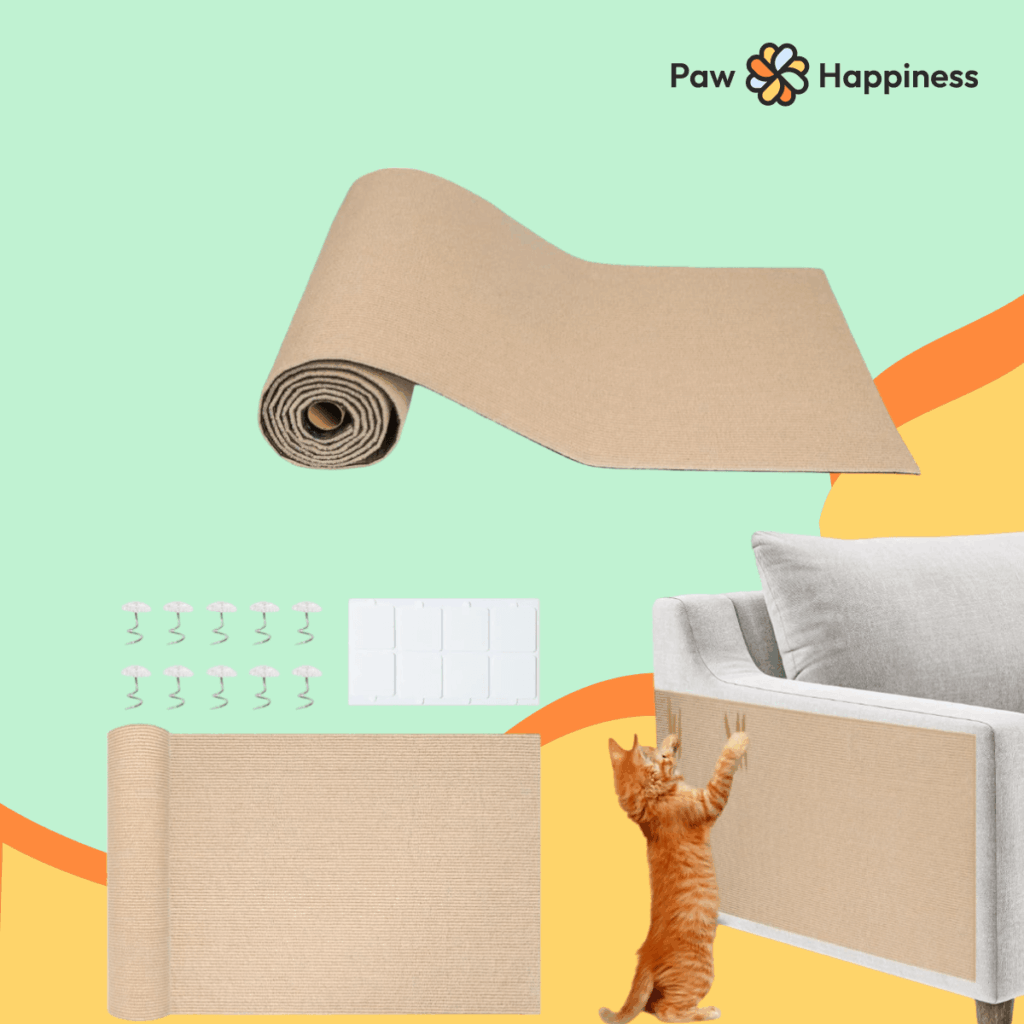
This peel-and-stick furniture protector saves your couch from cat claws without any tools or complicated setup.
Pros
- Sticks directly to furniture and stays in place thanks to the aluminum backing
- Can be trimmed with scissors to fit any couch arm or corner perfectly
- Wipes clean easily and comes with extra adhesive strips for long-term use
Cons
- The beige color might not match all furniture styles
- May need replacing after heavy scratching from multiple cats
- Smaller than expected if you’re trying to cover a large sectional
We found this scratch pad incredibly easy to install on our couch arms. The adhesive backing held strong even when our cats went to town on it. It took us less than a minute to peel off the backing and press it into place.
The polyester surface worked well for our cats. They scratched it regularly instead of our furniture. We appreciated that we could cut it to size with regular scissors.
Cleaning was simple with just a damp cloth. The material held up through weeks of daily scratching. When the adhesive started to weaken, we used the included replacement stickers to secure it again.
The pad stayed flat against our couch without curling at the edges. Our cats seemed to prefer this texture over our upholstery. We noticed significantly fewer claw marks on our furniture after putting this in place.
COCTN Cat Scratch Couch Protector
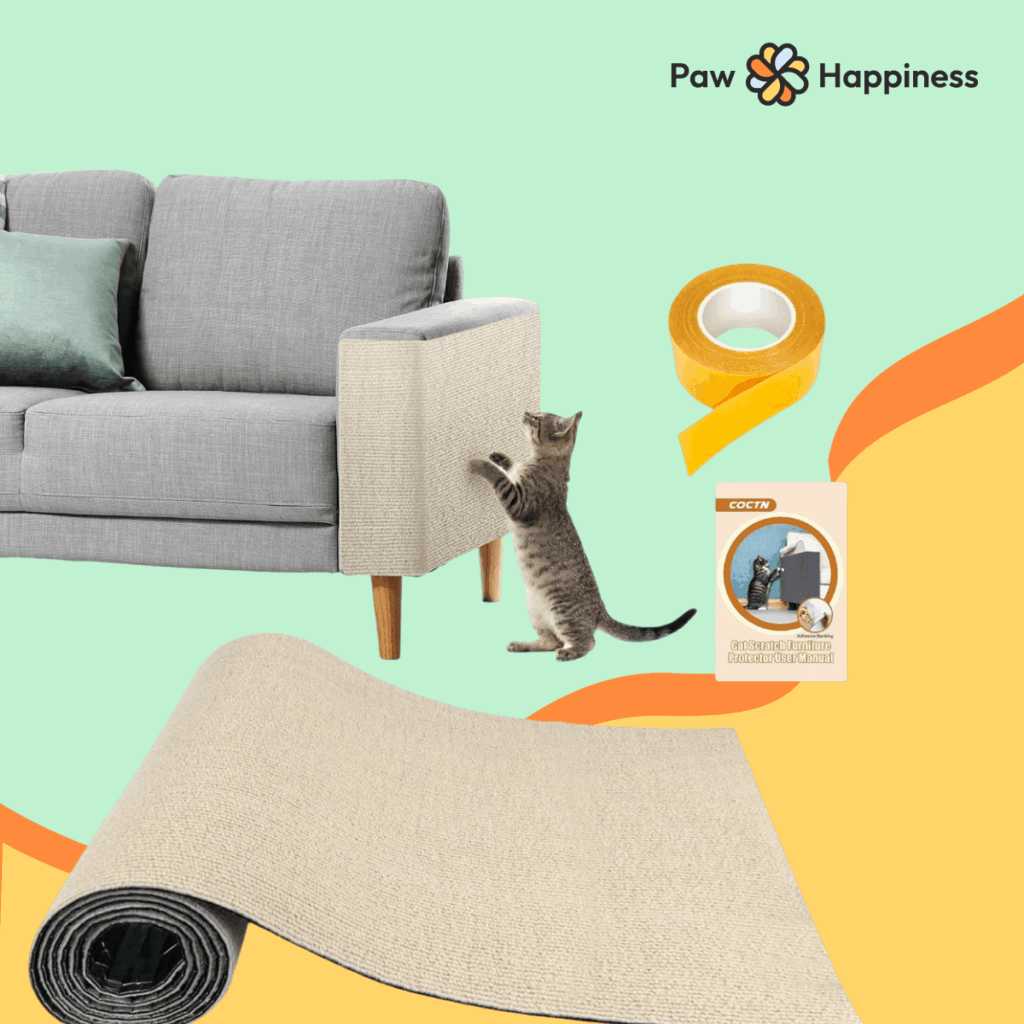
This protector works well if you need to save your furniture from cat claws without changing how your couch looks.
Pros
- Stays put even when cats scratch hard thanks to the double adhesive system
- Cuts easily to fit any furniture shape or size you need
- Removes cleanly with a hair dryer without leaving sticky residue behind
Cons
- Not safe for leather or velvet couches
- Takes some effort to apply the extra tape along all edges for best results
- Off-white color might not match darker furniture
We tested this protector on our couch corners where our cats love to dig their claws in. The material feels thick and rough, which our cats actually prefer to scratch compared to the fabric underneath. The 90-inch length gave us plenty of coverage for multiple problem areas.
Cutting the protector to size took just a few minutes with regular scissors. We measured each spot, trimmed the pieces, and peeled off the backing. The self-adhesive surface stuck well on its own, but we added the included tape around the edges like the instructions suggested.
Our cats started using it right away instead of destroying the actual couch fabric. The cotton-polyester blend holds up to daily scratching sessions. When we vacuum, the cat hair comes off easily from the textured surface.
The adhesive stays strong even after weeks of use. We haven’t seen any corners lifting or peeling. One thing to note is that you should test a small hidden area first to make sure it won’t damage your specific furniture type.
FixZilla Cat Scratch Guards

These clear protectors work well to stop cats from damaging fabric couches, though they attract lint and won’t work on leather or velvet surfaces.
Pros
- Guards stay in place with strong adhesive that removes cleanly without leaving sticky residue
- Clear plastic blends in with furniture and doesn’t ruin the look of your couch
- Comes with enough sheets to cover multiple problem areas plus twist pins for extra security
Cons
- Collects dust and pet hair quickly so you’ll need to replace them every few months
- Can’t be used on leather, faux leather, velvet, or microfiber fabrics
- Some cats figure out how to pull out the twist pins if they’re determined
We tested these guards on a fabric sectional that our cats loved to destroy. The adhesive held up surprisingly well even on the corners where they scratched the most. Each sheet measures 17 by 12 inches, and the kit includes smaller 17 by 6 inch pieces specifically for couch corners.
Installation took us about ten minutes for the whole couch. We peeled off the backing and pressed each sheet firmly against the fabric. The twist pins added extra hold, but we noticed one of our cats trying to play with them, so we left them off in some spots.
The material is thick enough that claws can’t penetrate through to the fabric underneath. Our cats tried scratching for a day or two before they gave up and went back to their scratching posts. The clear plastic does show every piece of fur and lint though, which means regular cleaning with a lint roller.
After a few months of use, the edges started peeling slightly in high-traffic areas. We simply replaced those sections with new sheets from the pack. The old ones came off without damaging the fabric or leaving any sticky mess behind.
Buying Guide
When we shop for a couch with cats in mind, we need to think about more than just looks. The material we pick will affect how well our furniture holds up against scratches, fur, and accidents.
Material Durability
We should check how tight the fabric weave is before buying. Tighter weaves resist cat claws better than loose ones. We also want to test the material’s scratch resistance by running our nails across a sample if possible.
The material’s weight matters too. Heavier fabrics usually last longer with cats around.
Maintenance Requirements
We need to consider how much time we want to spend cleaning. Some materials need professional cleaning while others work fine with a vacuum and damp cloth.
| Cleaning Factor | What to Look For |
|---|---|
| Removable covers | Easier to wash and replace |
| Stain resistance | Protects against accidents and spills |
| Fur removal | How easily hair comes off with brushing or vacuuming |
Texture and Comfort
We should feel the fabric in person when we can. Smooth, tight materials work better than rough or looped textures. Cats are less likely to dig their claws into fabrics that don’t catch easily.
The couch should still feel comfortable for us to sit on. We don’t want to sacrifice our comfort completely, so we need to find a balance between durability and coziness.
Price and Warranty
We should look for warranties that cover pet damage or at least general wear and tear. This protects our investment if problems come up early.
Frequently Asked Questions
Tightly woven fabrics like microfiber and canvas resist cat damage better than loose weaves, while leather alternatives and performance fabrics handle shedding with minimal upkeep.
What types of fabric are best for resisting cat claws and scratches?


We recommend microfiber as the top choice for scratch resistance. The tight weave makes it difficult for cat claws to snag or pull threads. Canvas and denim also hold up well against scratching.
Leather alternatives like faux leather can work, but cats may still scratch the surface. Performance fabrics designed for durability offer good protection too. We avoid velvet, silk, and loosely woven materials since they damage easily.
Are there certain couch materials that can withstand frequent cat shedding without extensive maintenance?
Microfiber repels cat hair naturally and requires just a quick wipe or vacuum. Leather and faux leather don’t trap fur in their fibers, so hair sits on the surface for easy removal.
Tightly woven synthetic fabrics also resist hair embedding. We find that smooth surfaces work better than textured ones for dealing with shedding. Materials with similar colors to your cat’s fur can hide stray hairs between cleanings.
Can you recommend durable yet comfortable sofa materials suitable for households with multiple cats?
Performance fabrics combine durability with comfort for both cats and humans. Crypton and Sunbrella fabrics resist scratches, stains, and odors while remaining soft to touch.
Microfiber offers a good balance of scratch resistance and coziness. Canvas provides durability but feels less plush than other options. We suggest testing fabric samples to find the right mix of toughness and comfort for your home.
What are the top furniture materials for minimizing visible damage from cat activities?
Patterned fabrics hide scratches and imperfections better than solid colors. Dark colors and medium tones conceal marks more effectively than light upholstery.
Distressed or textured materials camouflage damage naturally. We find that tight weaves like microfiber and canvas show less visible wear over time. Performance fabrics maintain their appearance even after repeated cat contact.
How do various couch materials compare in terms of ease of cleaning cat hair and stains?
Leather and faux leather are the easiest to clean since we can wipe them down quickly. Microfiber releases hair with a vacuum or lint roller and handles spot cleaning well.
Performance fabrics resist stains and often have moisture barriers built in. Canvas and denim allow for machine-washable slipcovers in some cases. We find that smooth, tightly woven materials clean faster than plush or textured options.
Related Articles



Extra Deals & Recommendations From Our Partners
Discover exclusive offers, tools, and products from brands we collaborate with.


Royal Canin Canine Care Nutrition
Royal Canin Digestive Care Wet Dog Food supports healthy digestion for adult dogs with sensitive stomachs. Highly digestible formula helps promote balanced gut flora, optimal stool quality, and overall well-being.

Interactive Dog Treat Puzzle Toys for IQ Training & Mental Stimulating
10x10x1.2 inches. This interactive dog puzzle encourages pets to slide pieces to find treats, boosting IQ and reducing boredom. A built-in squeaker adds extra fun and engagement. Made of food-safe, durable PP (not for chewing), easy to wash and great for slowing eating. Helps ease anxiety and destructive behavior. Always supervise use, and contact us for replacement or refund if needed.

Greenies Veterinarian-Recommended Adult Natural Dental Dog Treats Regular Size
According to the AVMA, 80% of dogs develop dental disease by age 3. Greenies Adult Dental Dog Treats help fight plaque, tartar, bad breath, and support healthy gums. Their chewy, toothbrush-like design cleans down to the gumline, reducing tartar by 47% and plaque by 40% in 28 days. Made with natural ingredients, vitamins, and minerals, these rawhide-free chews are easy to digest and ideal for dogs 25–50 lbs.

Sports Research® Omega-3 Fish Oil 1250
Always fresh, never fishy—this triple-strength Omega-3 Fish Oil uses a 10-step purification process for clean, potent EPA and DHA. Each softgel delivers 1250mg fish oil with 1040mg Omega-3s, so one a day meets your needs. Sourced from wild Alaska Pollock and MSC certified. Supports heart, joints, and eyes. Made in the USA, non-GMO, gluten-free, and third-party tested for purity and potency.

Ninja Foodi 9-in-1 Pressure Cooker & Air Fryer
Cook 2 foods, 2 ways at once with this air fryer’s 2 independent baskets—no back-to-back batches. DualZone Technology offers Smart Finish for synchronized cooking and Match Cook to copy settings across both zones. Enjoy 6 functions: Air Fry, Broil, Roast, Bake, Reheat, and Dehydrate. With an 8-qt capacity, separate heating zones, easy cleaning, and up to 75% less fat, it’s perfect for fast family meals.

Purina Pro Plan Large Breed Dry Puppy Food, Chicken and Rice Formula
Formulated to support an appropriate growth rate for large breed puppies, High protein formula, with real chicken as the first ingredient, Vitamin A and omega-6 fatty acids to nourish skin and coat, DHA from omega-rich fish oil nourishes brain and vision development. Glucosamine supports developing joints and cartilage

NaturVet – ArthriSoothe-Gold Advanced Care Liquid
Liquid joint supplement for dogs & cats with glucosamine, MSM, chondroitin,and antioxidants to support mobility, cartilage health, and joint comfort. Vet-approved, made in the USA.

Swihauk Self Cleaning Slicker Brush
Swihauk’s self-cleaning pet brush makes deshedding easy with a quick-release bottom and soft, rounded bristles that groom without hurting your pet. Made with durable stainless steel and a lightweight, ergonomic handle, it removes loose fur effectively for dogs and cats of all hair types. Perfect for puppies, long-haired pets, and daily grooming.