


Best Dog Cage for Home Use: A Simple Guide to Keeping Your Dog Safe and Comfortable
By PawHappiness Team | Updated | 5 minutes read | Products & Reviews

Table of Contents
- Why a Dog Cage Can Be a Positive Thing for Your Dog
- Common Problems Pet Parents Face Without the Right Cage
- What Makes the Best Dog Cage for Home Use?
- Choosing the Right Cage Size for Small Dogs
- How to Set Up a Dog Cage So Your Pet Loves It
- Using a Dog Cage for Training and Daily Routines
- Wire Cages vs Other Types of Dog Cages
- Safety Tips Every Pet Parent Should Know
- How a Quality Cage Supports Long-Term Behavior
- Finding the Right Balance as a Pet Parent
- Conclusion
Choosing the right dog cage can feel confusing, especially for pet parents who only want the best for their furry companion. A dog cage isn’t about confinement or punishment—it’s about creating a safe, comfortable space where your dog can relax, sleep, and feel secure. When chosen correctly, a cage becomes a personal den your dog actually enjoys spending time in.
Many pet parents struggle with common issues like dogs chewing furniture, feeling anxious when left alone, or having trouble settling down at night. Often, these problems aren’t about behavior—they’re about the environment. The best dog cage helps solve these challenges by offering structure, routine, and a sense of safety, especially for puppies or small breeds.
In this guide, we’ll walk through what makes a good dog cage, how to choose the right size, and how to use it properly at home. We’ll also share practical tips and real-life scenarios to help you make a confident, stress-free decision for both you and your dog.
Why a Dog Cage Can Be a Positive Thing for Your Dog
Despite common myths, dogs naturally like enclosed spaces. In the wild, dens provide safety and comfort. A well-chosen cage can recreate that feeling at home.
Benefits of using a dog cage include:
- Providing a safe place to rest and sleep
- Helping with potty training and routines
- Reducing anxiety when you’re away
- Preventing destructive behavior
When introduced gradually and used correctly, a cage becomes a calming retreat rather than a restriction.
Common Problems Pet Parents Face Without the Right Cage
Many pet parents only realize the importance of a proper dog cage after facing repeated issues.
Destructive Behavior
Chewed shoes, scratched doors, and damaged furniture often happen when dogs feel bored or anxious. A comfortable cage can limit access while giving your dog a safe alternative.
Separation Anxiety
Dogs that panic when left alone may benefit from a familiar, enclosed space that feels secure and predictable.
Inconsistent Sleep and Rest
Dogs, especially puppies, need structure. Without a designated resting area, they may struggle to relax or settle down.
These problems don’t mean you have a “bad dog.” They usually mean your dog needs a better environment.
What Makes the Best Dog Cage for Home Use?
Not all dog cages are the same. The best option depends on your dog’s size, behavior, and daily routine.
Correct Size Matters Most
A dog cage should allow your dog to:
- Stand up without crouching
- Turn around comfortably
- Lie down and stretch
For small breeds like Havanese or Pugs, a compact cage often works best. For example, a 24-inch crate designed for pets under 20 x 15.25 inches (LxH) offers enough space without feeling overwhelming.
Sturdy and Durable Design
A good cage should feel solid and stable. Weak materials can bend or break, especially with energetic dogs.
Look for cages that:
- Use strong metal or reinforced materials
- Have secure latches
- Don’t wobble or collapse easily
Good Ventilation and Visibility
Dogs like to see what’s happening around them. Open designs with proper airflow help them feel included rather than isolated.
Choosing the Right Cage Size for Small Dogs
Size is one of the most common mistakes pet parents make. Bigger is not always better.
For small dogs, oversized cages can cause:
- Anxiety due to too much open space
- Difficulty with crate training
- Accidents inside the cage
A well-fitted option like the Dog Cage Amazon Basics Durable in the 24-inch size works well for small breeds, offering just enough room to stay comfortable while maintaining that cozy, den-like feel.
How to Set Up a Dog Cage So Your Pet Loves It
The way you set up the cage matters just as much as the cage itself.
Add Comfortable Bedding
Use a soft mat or dog bed that fits the cage size. Avoid overly thick bedding for puppies still learning potty habits.
Place the Cage in a Calm Area
Choose a spot that’s quiet but not isolated. Dogs like to feel part of the family, even while resting.
Introduce the Cage Gradually
Let your dog explore the cage at their own pace. Keep the door open at first and add treats or toys inside.
Helpful tips:
- Never force your dog inside
- Use positive reinforcement
- Start with short periods
Using a Dog Cage for Training and Daily Routines
A cage works best when it’s part of your dog’s daily routine.
Potty Training Support
Dogs naturally avoid soiling their sleeping area. A properly sized cage helps reinforce bladder control.
Establishing Calm Time
Use the cage during nap times or when your dog needs to calm down after play.
Safe Space When You’re Away
Instead of worrying about accidents or damage, you can leave knowing your dog is safe and comfortable.
Wire Cages vs Other Types of Dog Cages
Pet parents often wonder which cage style is best.
Wire Dog Cages
Pros:
- Excellent ventilation
- Easy to clean
- Foldable for storage
Cons:
- Can feel less cozy without proper bedding
Plastic or Soft Cages
Pros:
- Lightweight and portable
- More enclosed
Cons:
- Less durable for daily home use
For everyday use at home, wire cages are often the most practical and durable option.
Safety Tips Every Pet Parent Should Know
Using the best dog cage also means using it safely.
- Always remove collars before crating
- Check for sharp edges or loose parts
- Avoid leaving puppies crated too long
- Clean the cage regularly
Safety and comfort should always come first.
How a Quality Cage Supports Long-Term Behavior
Over time, a well-used dog cage helps reinforce positive habits. Dogs learn when to rest, where they belong, and how to self-soothe.
This structure often leads to:
- Better behavior at home
- Reduced anxiety
- Stronger trust between you and your dog
The cage becomes a tool for communication, not control.
Finding the Right Balance as a Pet Parent
The goal isn’t to keep your dog in a cage all day. It’s about balance—knowing when your dog needs freedom and when they need a calm, safe space.
Choosing the best dog cage is about understanding your dog’s needs, lifestyle, and comfort level. A durable, properly sized option like the Dog Cage Amazon Basics Durable can support that balance when used thoughtfully.
Conclusion
Finding the best dog cage doesn’t have to be complicated. When you focus on the right size, durability, and proper setup, a cage becomes a positive part of your dog’s daily life—not a limitation. It helps solve common issues like anxiety, destructive behavior, and lack of routine while giving your dog a space that feels safe and familiar.
For pet parents of small breeds, choosing a well-sized, sturdy cage designed for comfort can make all the difference. With patience, consistency, and the right approach, a dog cage can support training, improve behavior, and strengthen the bond between you and your pet.
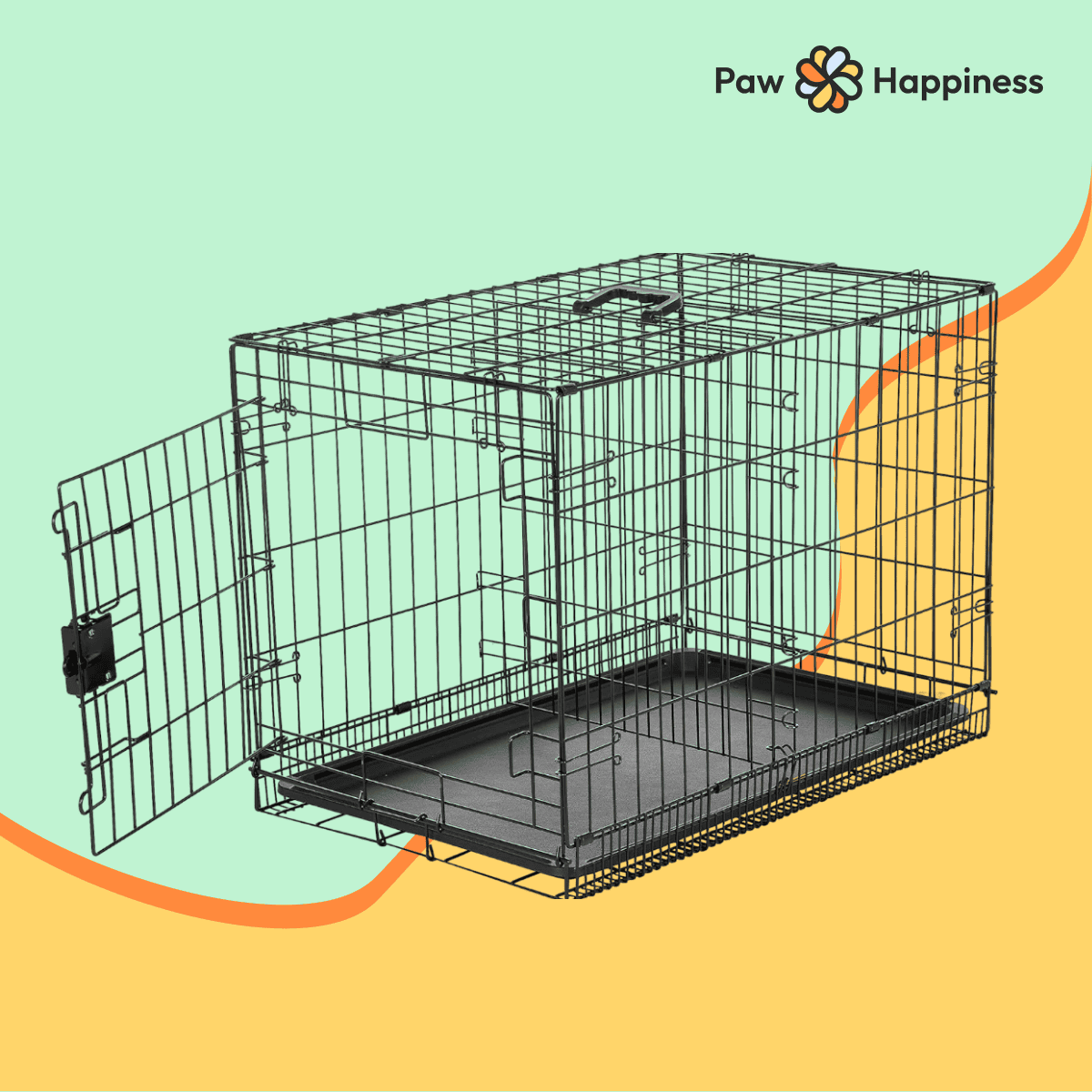
Dog Cage Amazon Basics Durable
24-inch dog crate for pets under 20 x 15.25 inches (LxH), like a Havanese or Pug
Buy NowIf you’d like to learn more about dog care essentials or how to create a stress-free home for your pet, exploring additional guides and resources can be a great next step.
Related Articles


Hill’s Science Diet Sensitive Stomach & Skin Turkey & Rice Stew Review: The Best Food for Sensitive Dogs?



Extra Deals & Recommendations From Our Partners
Discover exclusive offers, tools, and products from brands we collaborate with.


Zesty Paws Dog Multivitamin
8-in-1 multifunctional dog supplement chews supporting joint, heart, immune, skin, gut, liver, and performance health with probiotics, antioxidants, MSM, glucosamine, and cod liver oil.

300Pcs Dog Eye Wipes Biodegradable, Hypoallergenic Cat Dog Eye Cleaner
Biodegradable pet wipes made from natural materials that break down over time, keeping your pet clean while being eco-friendly. The gentle, paraben-free and fragrance-free formula soothes without irritating eyes, nose, or mouth and helps prevent tear stains. Pre-soaked and easy to use, each soft cotton pad removes dirt and odors and is safe for dogs, cats, rabbits, and more.
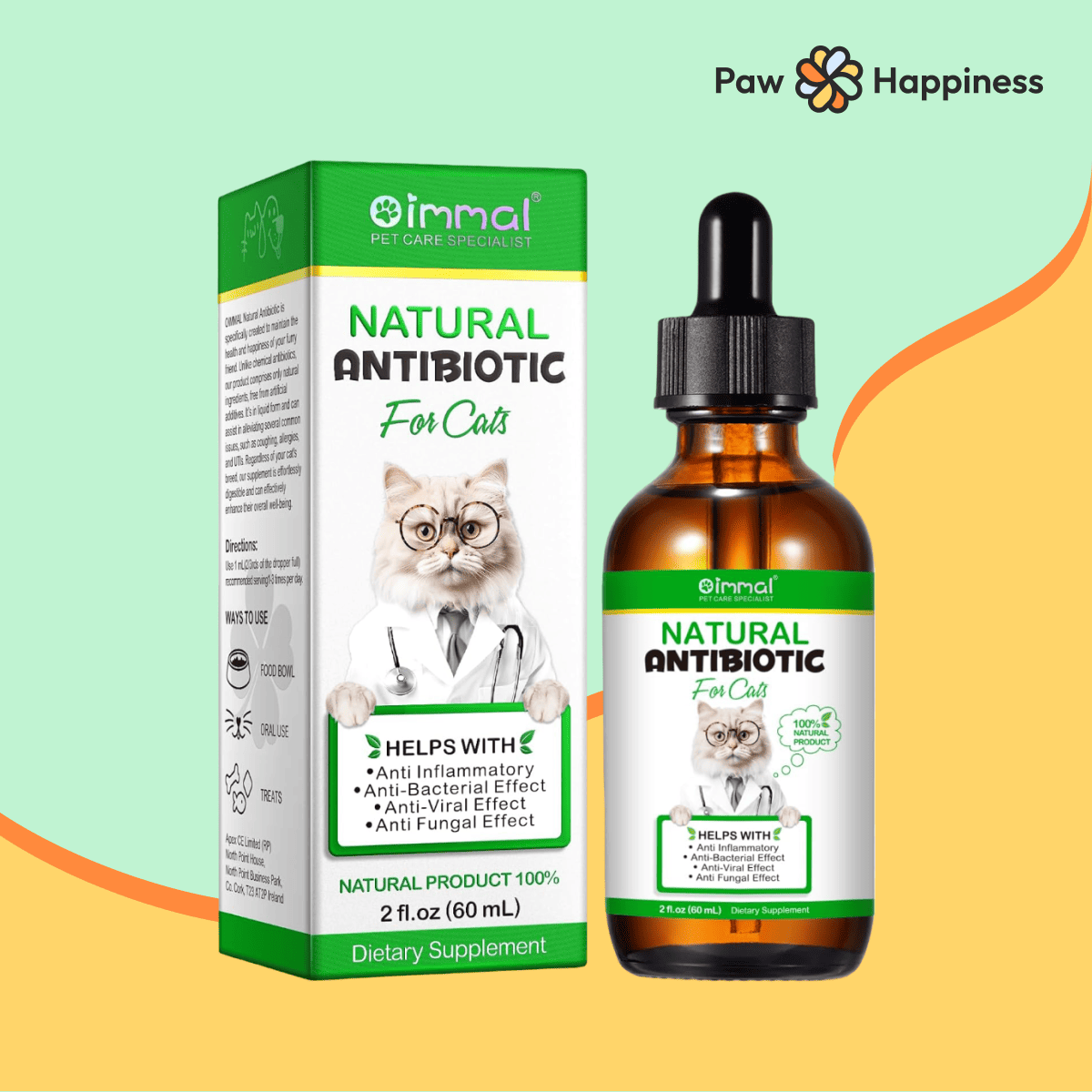
Antibiotics for Cats, Natural Antibiotic Pet
Herbal cat antibiotic drops support ear, skin, urinary, and respiratory infections with Apple Cider Vinegar, Pau D-Arco, Goldenseal & Echinacea. Non-GMO, sugar-free, fast-absorbing, safe for all cats.

Bedsure Calming Dog Bed Medium Size Dog
Calming, plush donut dog bed with extra-soft faux fur and raised rim for secure, comfortable sleep.

Nutramax Denamarin Tablets for Dogs
Denamarin chewable tablets, made with SAMe and silybin, help support healthy liver function in dogs of all sizes. Research shows they are safe and effective, offering reliable liver support you can trust. Made by Nutramax Laboratories Veterinary Sciences—the #1 veterinarian-recommended supplement company—Denamarin provides quality care backed by expert confidence.

A pet-proof trash can can prevent dumpster diving.
This durable trash can lock turns nearly any hinged-lid bin into an animal-proof solution, keeping raccoons, pets, and even bears out. Built for all-weather protection with adjustable straps for a universal fit, it installs easily with the included hardware. The one-hand release design offers quick, convenient access while keeping your yard clean and critter-free.

Outward Hound Medium Slow Feeder Bowl
This medium slow feeder dog bowl is designed to slow eating up to 10X, making it ideal for fast eaters and small to medium dogs. Holding up to 2 cups of food, its deep, challenging maze helps reduce bloat, regurgitation, and obesity. Non-slip, food-safe, BPA-free, and top-rack dishwasher safe for easy cleaning.

2 Pack Hemp Calming Chews for Dogs 300 Count with Melatonin-Stress & Anxiety Relief
Calming chews help dogs stay relaxed during thunder, fireworks, travel, vet visits, and separation. Premium ingredients like chamomile, valerian, vitamin B1, melatonin, L-tryptophan, and L-theanine ease tension, boost sleep, and support mood. Works in 30–45 minutes and lasts up to 12 hours. Made in the USA with natural, wheat- and corn-free ingredients in a tasty chicken-flavored soft chew.