


Best Meat Rabbits for Homestead and Commercial Production in 2026
By PawHappiness Team | Updated | 5 minutes read | Products & Reviews
Table of Contents
Raising rabbits for meat has become popular among small-scale farmers and homesteaders who want a sustainable protein source. Rabbits produce lean, healthy meat that tastes mild and works well in many recipes. They also need less space and feed than larger livestock, which makes them practical for people with limited room or resources.
Choosing the right breed is the most important decision when raising meat rabbits because different breeds grow at different rates and reach different sizes. Some breeds are ready for processing in just eight weeks, while others take longer but produce more meat per animal. The breed you pick should match your goals, available space, and how much time you can dedicate to care.
You also need to think about things like how much the adults weigh, how many babies they typically have per litter, and whether the breed has a calm personality that makes handling easier. Climate matters too since some rabbits handle heat or cold better than others. I spent weeks researching breeds and talking to experienced rabbit farmers to identify the best meat rabbits for different situations and needs.
Best Meat Rabbits
I’ve researched and evaluated the top meat rabbit breeds based on growth rate, meat yield, and ease of care. My list below features the most efficient and reliable options for anyone raising rabbits for meat production.
Robert Wholey Whole Rabbits
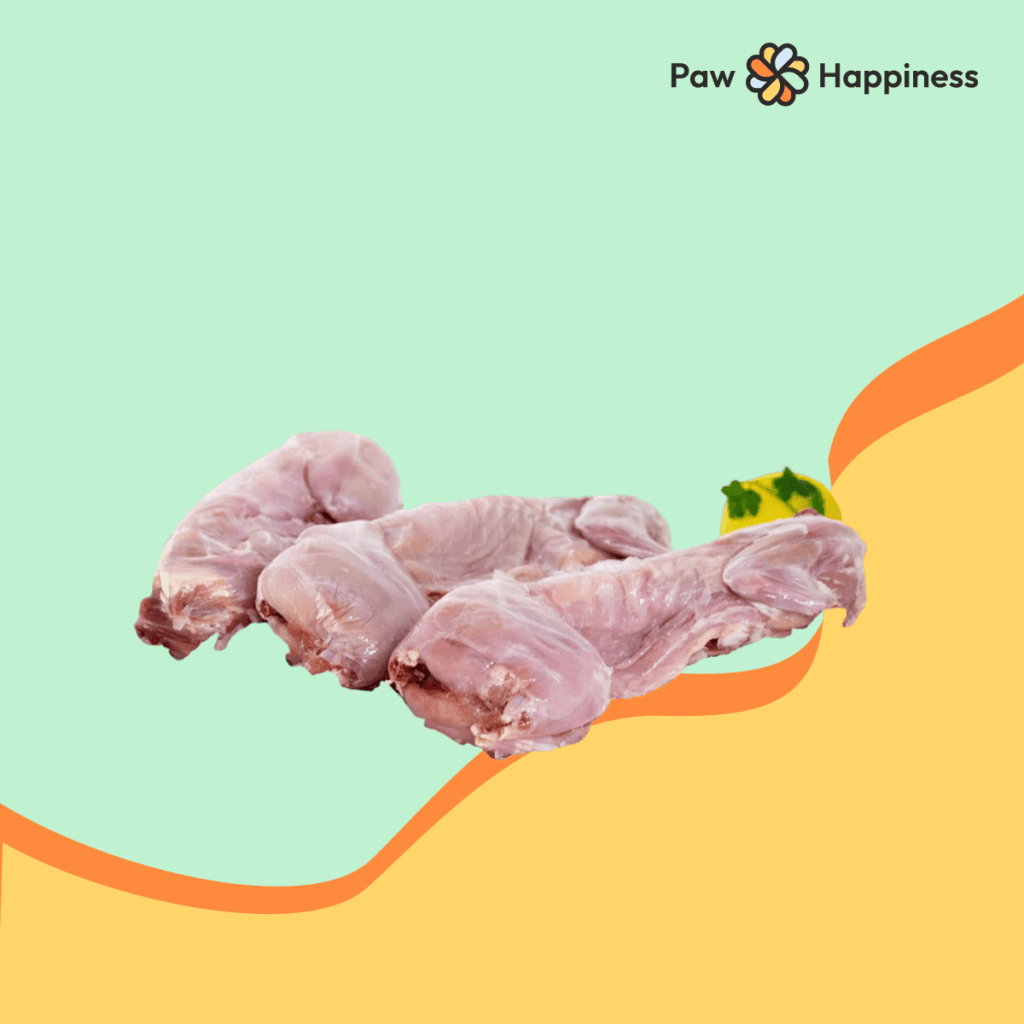
These farm-raised rabbits give you restaurant-quality meat at home for a fraction of the price you’d pay at a fine dining spot.
Pros
- Arrives completely frozen with dry ice to keep the meat fresh during shipping
- Each rabbit is already cleaned and ready to cook, saving you prep time
- The meat tastes similar to chicken but with richer, earthier flavors
Cons
- Some rabbits may arrive with slight freezer burn depending on shipping conditions
- The gamier taste might not appeal to everyone used to traditional poultry
- You’ll need to plan ahead since these require proper thawing time
I was impressed by how well-packaged these rabbits were when they showed up at my door. The styrofoam cooler with dry ice kept everything frozen solid. Each rabbit was a good size, giving me plenty of meat to work with for my meals.
The flavor reminded me of chicken but with a more distinctive taste that made my dishes feel special. I braised one and grilled another, and both cooking methods worked great. The meat stayed tender and picked up seasonings nicely.
One thing I noticed was that the rabbits varied slightly in quality. Most were perfect, but I did find some minor freezer burn on one piece. Still, the overall value was solid considering how much meat you get in each package.
The lean protein content makes these rabbits a healthier choice compared to beef. I appreciated that they came fully cleaned since processing whole game myself isn’t something I enjoy doing. Whether you’re cooking for a special occasion or just want to try something different, these rabbits deliver on both taste and convenience.
Rabbit Jerky
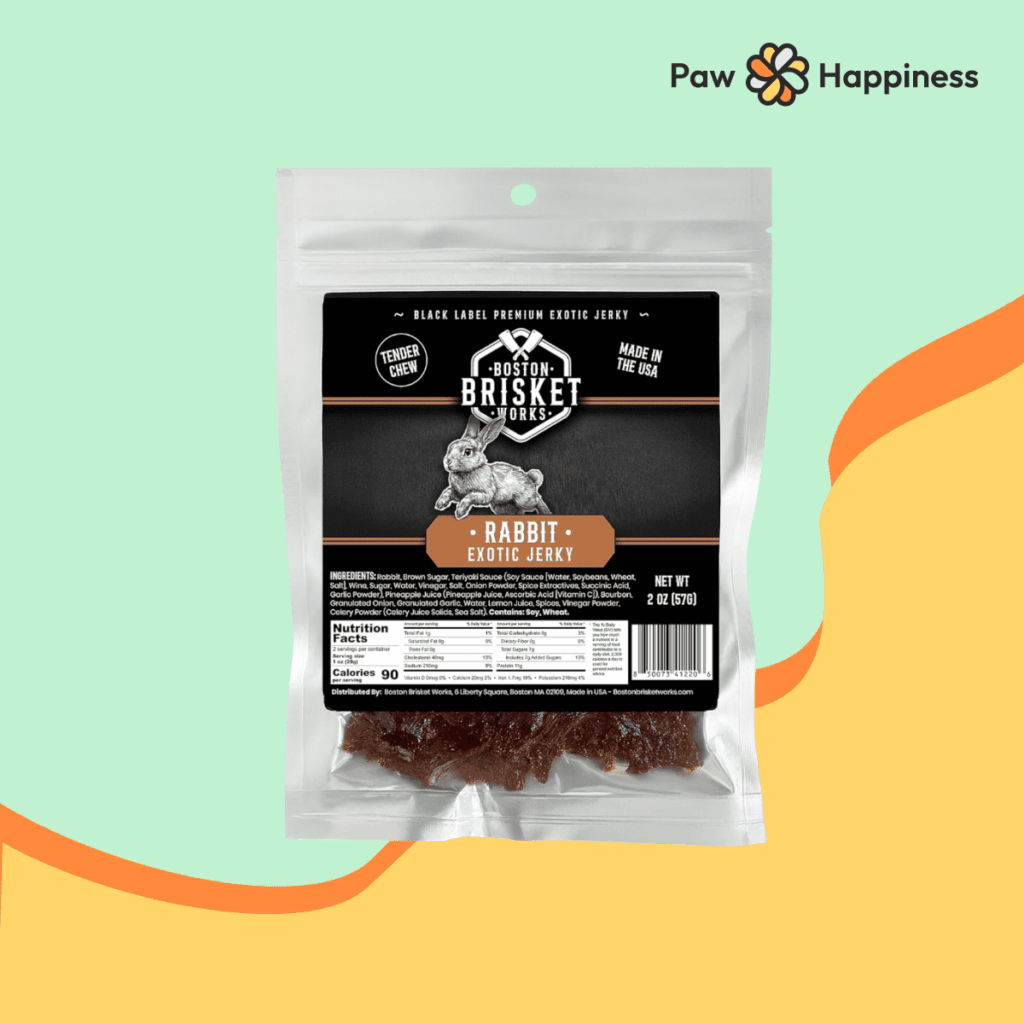
This rabbit jerky works well if you want to try something different from standard beef options, though the portion size feels a bit small for what you pay.
Pros
- The texture comes out tender and easy to chew without being tough
- The flavor stays mild enough for people who haven’t tried game meat before
- Small batch production means you get a fresher product
Cons
- You only get about 2 ounces in the bag, which goes fast
- The price runs high compared to similar sized beef jerky packages
- The teriyaki coating can feel a bit heavy and sticky on the meat
I tried this rabbit jerky as a way to branch out from my usual snack rotation. The meat itself tastes pretty mild compared to other game options I’ve had. It doesn’t have that strong wild flavor some people worry about with rabbit.
The texture impressed me more than I expected. Each strip pulled apart easily and didn’t require much chewing. I’ve had plenty of jerky that felt like leather, but this stayed soft.
My main issue came down to portion size versus cost. The bag looked decent at first, but I finished it in just a few bites. For the money I spent, I expected more meat.
The teriyaki glaze added sweetness that covered up most of the natural rabbit flavor. It left my fingers sticky after handling the strips. I would have preferred a lighter seasoning that let the meat shine through more.
This works as a novelty gift or if you want to tell people you’ve tried rabbit. For regular snacking though, the price makes it hard to justify buying again.
Wild Harvest Advanced Nutrition Rabbit Food
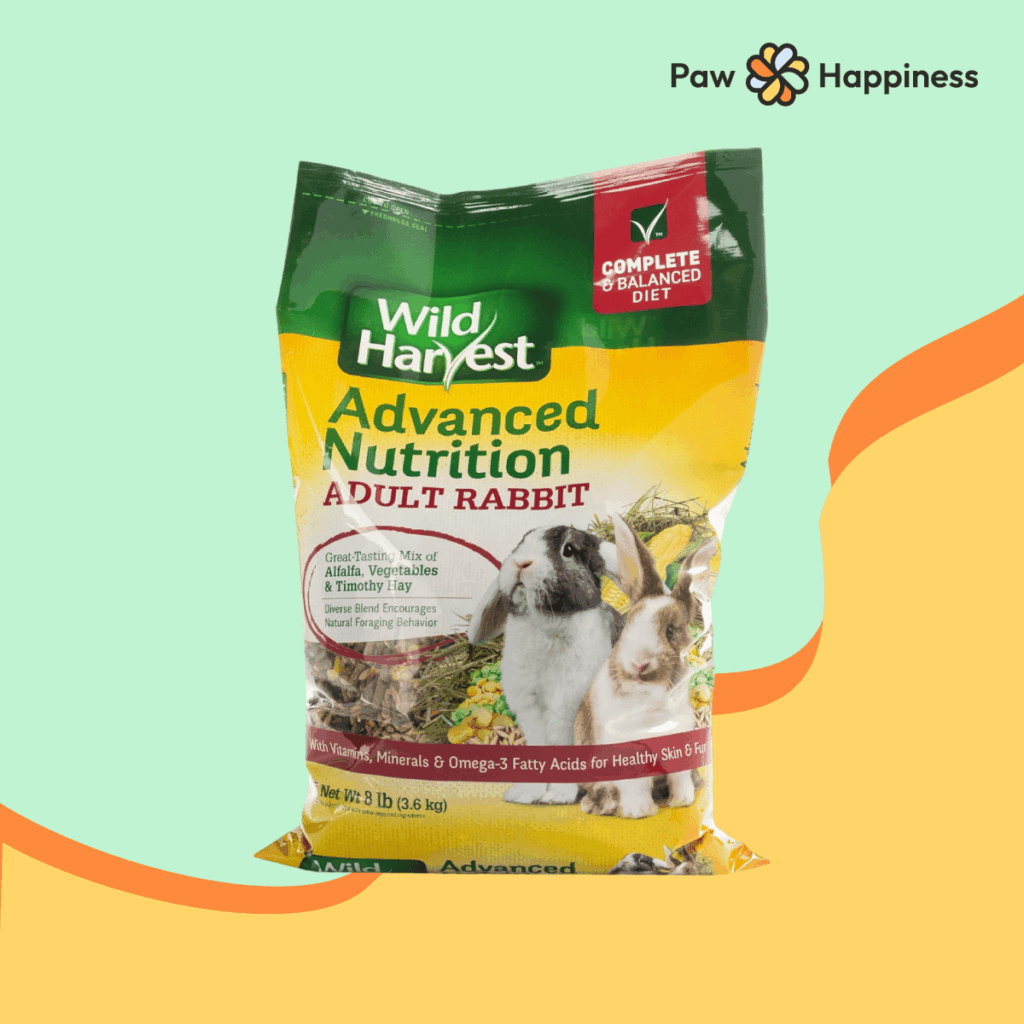
This food works well for pet rabbits but isn’t specifically designed for meat rabbit production needs.
Pros
- Contains a good mix of timothy hay and alfalfa that rabbits find tasty
- Provides solid nutritional content with added vitamins and minerals
- Comes in a large 8-pound bag that lasts a while
Cons
- Formulated for pets rather than meat rabbits with different dietary requirements
- Contains some extras like fruit pieces that add cost without production benefits
- The pellet mix can lead to selective eating where rabbits pick out favorite bits
I found this rabbit food to be a decent option, though it’s really made with house pets in mind. The blend includes timothy hay, alfalfa, and vegetables that my rabbits enjoyed eating. The pellets are uniform in size and easy for rabbits to chew.
The nutrition profile is solid for maintaining rabbit health. I noticed the rabbits had good coat condition and seemed energetic on this diet. The fiber content helps keep their digestive systems running smoothly.
For meat rabbit operations, this formula might not be the most economical choice. It contains ingredients aimed at pet owners who want variety for their animals. The price per pound runs higher than basic meat rabbit feeds. If you’re raising rabbits for meat production, a simpler pellet designed for growth might serve you better. This works fine for small-scale operations or as a supplement, but larger breeders will want something more cost-effective.
Buying Guide
When I look for meat rabbits, I start by considering where to buy them. Local breeders, rabbit shows, and farming cooperatives are good options. I avoid buying from pet stores since those rabbits aren’t bred for meat production.
Age and Size Considerations
I prefer buying rabbits between 8-12 weeks old. They’re old enough to handle the stress of moving but young enough to adapt to my setup.
Key factors I check:
- Weight should match breed standards
- Body feels firm and muscular
- No visible ribs or hip bones
Health Indicators
I always examine rabbits carefully before buying. Their eyes should be bright and clear without discharge. The nose must be dry and clean.
I check the fur for bare patches or signs of mites. I also look at their droppings in the cage. Healthy rabbits produce round, firm pellets.
Breeding Quality
| Feature | What I Look For |
|---|---|
| Body shape | Broad, deep, and well-muscled |
| Bone structure | Strong legs, good frame |
| Temperament | Calm but alert |
| Ears | Clean inside, no mites |
Price Expectations
Prices vary based on breed, age, and quality. I expect to pay more for rabbits from proven breeding lines. However, the cheapest option isn’t always the best value.
I ask the seller about the rabbit’s parents and their meat production history. Good breeders provide health records and feeding information. This documentation helps me make informed decisions about my purchase.
Frequently Asked Questions
Raising meat rabbits involves understanding breed selection, space requirements, growth timelines, nutrition, and breeding management. I’ll address the most common questions that come up when starting or maintaining a meat rabbit operation.
What are the top breeds of rabbits for meat production?


New Zealand Whites are my top recommendation for meat production. They reach market weight of 8-10 pounds in 8-10 weeks and have excellent feed conversion rates. Their all-white fur also makes processing easier since any remaining fur is less visible on the carcass.
Californians are another excellent choice. They grow at similar rates to New Zealand Whites and typically reach 9-11 pounds at maturity. I like them because they’re hardy and handle various climates well.
Flemish Giants produce more meat per rabbit, reaching 15-20 pounds at maturity. However, they take longer to reach market weight and eat significantly more feed. This makes them less efficient for most small-scale operations.
How much space is required to raise rabbits for meat?
Each adult rabbit needs a cage that’s at least 30 inches by 36 inches and 18 inches tall. Does with litters need larger cages, around 36 inches by 48 inches. I recommend these minimum sizes to keep rabbits healthy and prevent aggression.
A small breeding operation with one buck and three does requires about 50-60 square feet of cage space. You’ll also need additional space for grow-out cages where young rabbits stay until they reach market weight. This typically adds another 40-50 square feet depending on your breeding schedule.
The total footprint includes walkways and working areas. I plan for about 150-200 square feet of building or shed space for a small breeding setup with 20-30 rabbits at various stages.
What is the average growth rate of meat rabbit breeds?
Most meat rabbit breeds gain 1.5-2 pounds per month under proper management. Kits are born weighing about 2 ounces and reach one pound by 4-5 weeks of age. Growth is fastest between 4-12 weeks of age.
New Zealand Whites and Californians reach a market weight of 5 pounds (live weight) at 8-10 weeks. They achieve their best feed-to-meat conversion ratio during this period, typically converting 3-4 pounds of pellets into one pound of body weight.
After 12 weeks, growth slows significantly and feed efficiency drops. This is why I process most meat rabbits between 10-12 weeks of age when they’re at peak efficiency.
What are the essential nutritional requirements for raising healthy meat rabbits?
Meat rabbits need a diet with 16-18% protein for optimal growth. I feed commercial rabbit pellets as the primary food source since they’re formulated with the right balance of protein, fiber, and nutrients. Growing kits need the higher end of this protein range, while maintaining adults do fine with 14-16%.
Fiber is critical for digestive health. Rabbits require at least 18-20% crude fiber in their diet. Quality hay like timothy or orchard grass provides additional fiber and keeps their digestive systems functioning properly.
Water is often overlooked but essential. Each rabbit drinks about one quart of water daily, more in hot weather or when nursing. I provide constant access to fresh, clean water through bottles or automatic watering systems.
How do you effectively manage the breeding cycle of meat rabbits for optimum yield?
Does can be rebred 4-6 weeks after kindling for maximum production. I typically rebreed at 5 weeks, which allows does to wean litters at 6-8 weeks while being in early pregnancy. This schedule produces 6-8 litters per year from each doe.
I track breeding dates, kindling dates, and litter sizes for each doe. This helps me identify productive does and cull poor performers. A good meat doe should consistently produce 7-9 kits per litter and raise at least 6 to weaning age.
Buck fertility stays high with proper management. I use each buck 2-3 times per week and rotate breeding schedules to prevent overuse. Keeping bucks in cooler conditions during summer helps maintain fertility when temperatures exceed 85°F.
Related Articles







Extra Deals & Recommendations From Our Partners
Discover exclusive offers, tools, and products from brands we collaborate with.


MJIYA Cat Collar with Bell
Introducing our Classic Plaid Cat Collars with bells—cute, stylish, and perfect for everyday wear or holidays. The adjustable 8–12 inch size fits most cats and small dogs, and the silver bell helps you locate your pet. A breakaway buckle ensures safety, while the smooth, cat-shaped clasp is designed to prevent sharp edges found on many other collars.

FRONTLINE Plus Flea and Tick
FRONTLINE Plus for Dogs is a fast-acting, waterproof monthly topical that kills fleas, flea eggs, larvae, chewing lice, and ticks, breaks the flea life cycle, and provides 30 days of trusted protection for dogs and puppies 8 weeks and older.

Sleepypod Clickit Sport Crash-Tested Harness
This durable dog seat belt is made from heavy-duty nylon with reinforced stitching and strong metal hardware to prevent snapping or unbuckling. Its elastic bungee design absorbs sudden pulls for safer, more comfortable rides. The adjustable, tangle-free swivel clip fits most vehicles and attaches easily to any harness. Each pack includes two seat belts and a collapsible water bowl.

Hot Spot & Itch Relief Skin Cream for Dogs & Cats
Fast-acting skin cream for dogs, cats, and small pets that soothes itching, hot spots, rashes, and minor wounds. Made with natural ingredients, vet-approved, lick-safe, and promotes healthy skin and fur recovery.

Activated Charcoal for Dogs – Ready-to-Use Liquid Formula
ReadyRESCUE activated charcoal keeps pets safe on the go—perfect for camping, hiking, travel, or home emergencies. This easy, vet-approved formula mixes with food, water, or treats for quick toxin binding and fast action. Safe for pets under 30 lbs, it neutralizes toxins before absorption and features a 5-year shelf life, offering reliable protection with no prescription needed.

Pet Products Heated Cat Bed Indoor
This large heated cat bed features soft, flexible sidewalls and a 4-watt removable heater that warms to your pet’s body temperature for safe, energy-efficient comfort. Fully washable once the heater is removed, it’s ideal for large cats and small dogs. Designed by K&H with 25+ years of expertise, this safety-certified bed offers year-round coziness and reliable quality.
Outward Hound Fun Feeder Slow Bowl
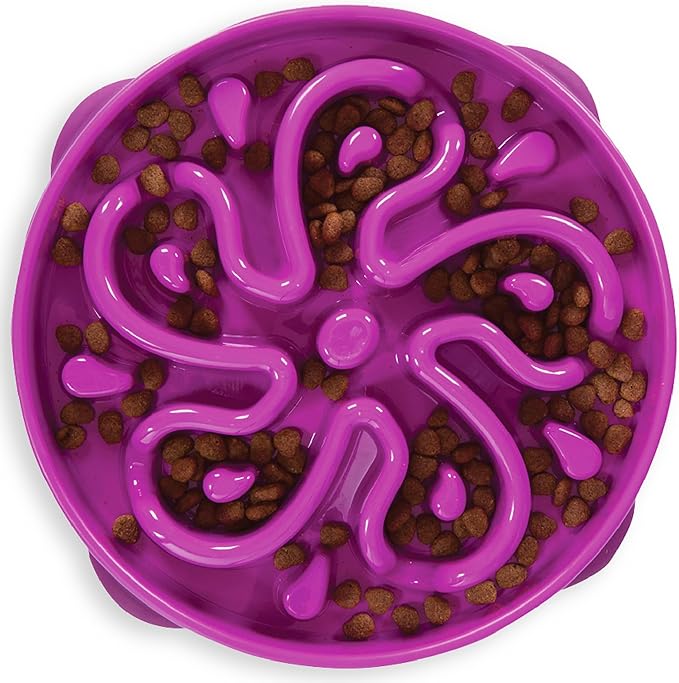
Outward Hound Fun Feeder Slo Bowls use ridges and maze-like patterns to slow dogs’ eating by up to 10x, helping reduce bloat, obesity, and digestive issues. Available in various sizes, colors, and slow levels—including options for flat-faced breeds—these non-slip, food-safe bowls hold full meals, are dishwasher safe, and make mealtime healthier and more engaging.

Pet Grooming Combo – Blue Deshedding Brush
This 2-in-1 grooming brush and comb set makes dematting and deshedding easy for dogs and cats. Designed with safe, rounded edges, it gently removes knots, loose fur, and undercoat without hurting your pet. The undercoat rake features wide and dense sides for dematting and shedding, while the dual-sided metal comb reaches legs, head, and tail. Durable stainless steel teeth and a lightweight, ergonomic handle ensure comfortable, long-lasting grooming.