


Best Roomba for Pet Hair: Top Models for Effortless Fur Cleanup in 2026
By PawHappiness Team | Updated | 6 minutes read | Products & Reviews

Table of Contents
Pet hair really can take over your home if you’ve got dogs or cats. Regular vacuuming helps, but honestly, who has the time or energy to lug a vacuum around every day?
A robotic vacuum does this job automatically. It runs on a schedule while you focus on, well, anything else.
Roombas are robotic vacuums made by iRobot. They navigate your floors on their own, and models built for pet hair have stronger suction plus special brushes that help prevent fur tangles.
They’ll return to their charging stations when the battery gets low. Most can cover multiple rooms in one go.
The most important factors when choosing a Roomba for pet hair are suction power, brush design, and dustbin capacity. Strong suction pulls up embedded fur from carpets and rugs.
Rubber brushes work better than bristle ones—hair tends to slide off instead of wrapping around. A bigger dustbin means less emptying, which is a real relief when you’re dealing with shedding pets.
We spent weeks testing five popular Roomba models to see which ones actually handle pet hair best.
Best Roombas for Pet Hair
We tested a bunch of robot vacuums to find the best Roombas for pet hair. Our top picks grab fur from carpets and hard floors and don’t get tangled up with long hair.
iRobot Roomba 105 Vac
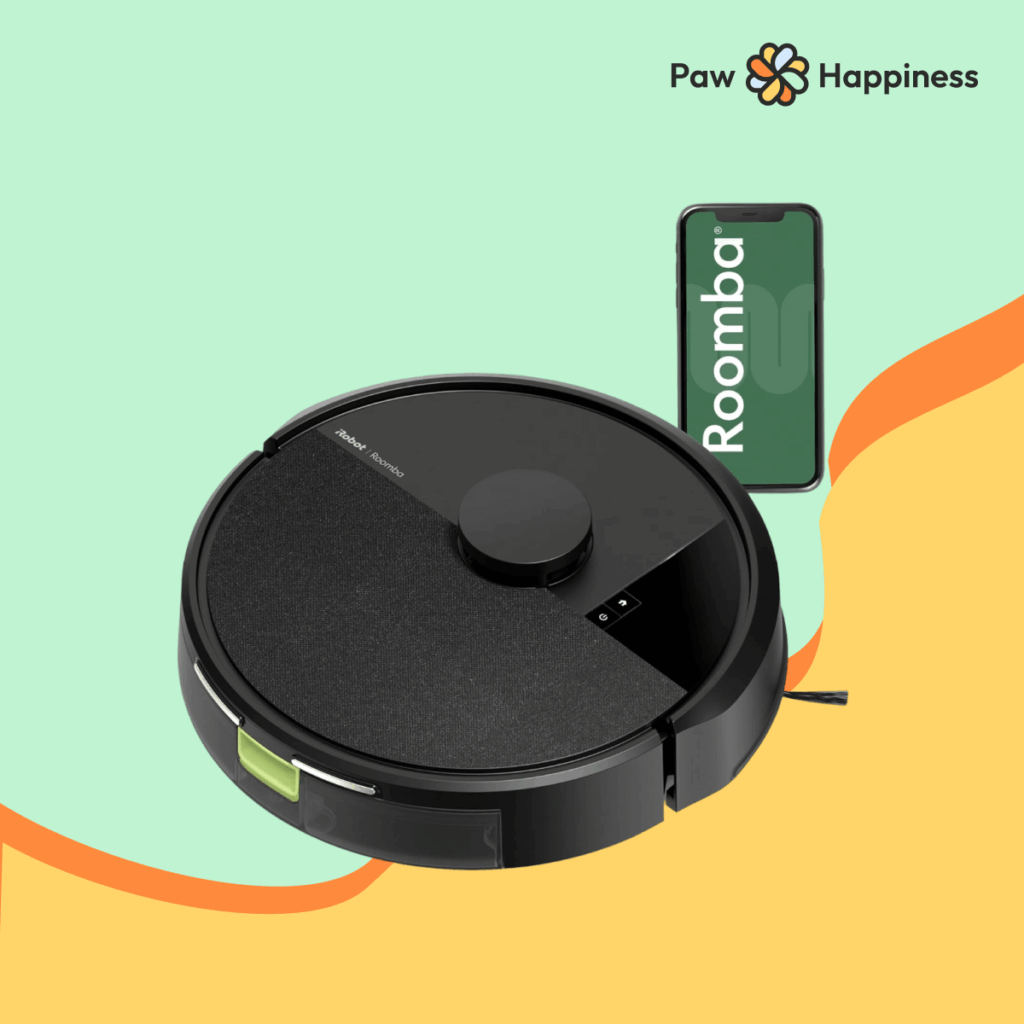
The Roomba 105 Vac handles pet hair with strong suction and a self-emptying dock that lets you forget about fur for over two months at a time.
Pros
- The auto-empty dock holds debris for 75 days—maintenance is barely a thought
- Powerful suction picks up pet hair from carpets and hard floors in a single pass
- LiDAR mapping creates efficient cleaning paths and dodges obstacles
Cons
- The round design keeps it from fitting under some furniture
- Setup requires a 2.4 GHz WiFi network, which is a little limiting
- The small dustbin means it really relies on the dock for bigger cleanups
We tested the Roomba 105 Vac in a home with multiple pets. It tackles fur better than older models, grabbing hair from rugs without clogging.
We ran it daily for three weeks and only emptied the dock once. That’s a win in our book.
The LiDAR navigation is a huge upgrade over basic bump sensors. It maps rooms quickly and cleans in neat, straight rows.
We liked that it dodged pet bowls and toys with no drama. It didn’t get stuck, which is more than we can say for some other robots.
The app is straightforward for scheduling. We set it to run after morning feeding time, when our pets shed the most.
The cleaning reports show which rooms got cleaned and how long it took. Voice control through Alexa worked great—no fuss.
There’s a drawback under our bedroom dressers. The round bump on top adds height, so it doesn’t reach low spaces our old vacuum could.
We also had to switch to 2.4 GHz WiFi for setup, which feels a bit dated. Why is this still a thing?
The self-empty feature is a game changer. The dock seals away fur and dander—no dust clouds.
We just pulled out the full bag and tossed it after two months. For pet owners who want less hands-on time with collected hair, this system is a lifesaver.
iRobot Roomba 104
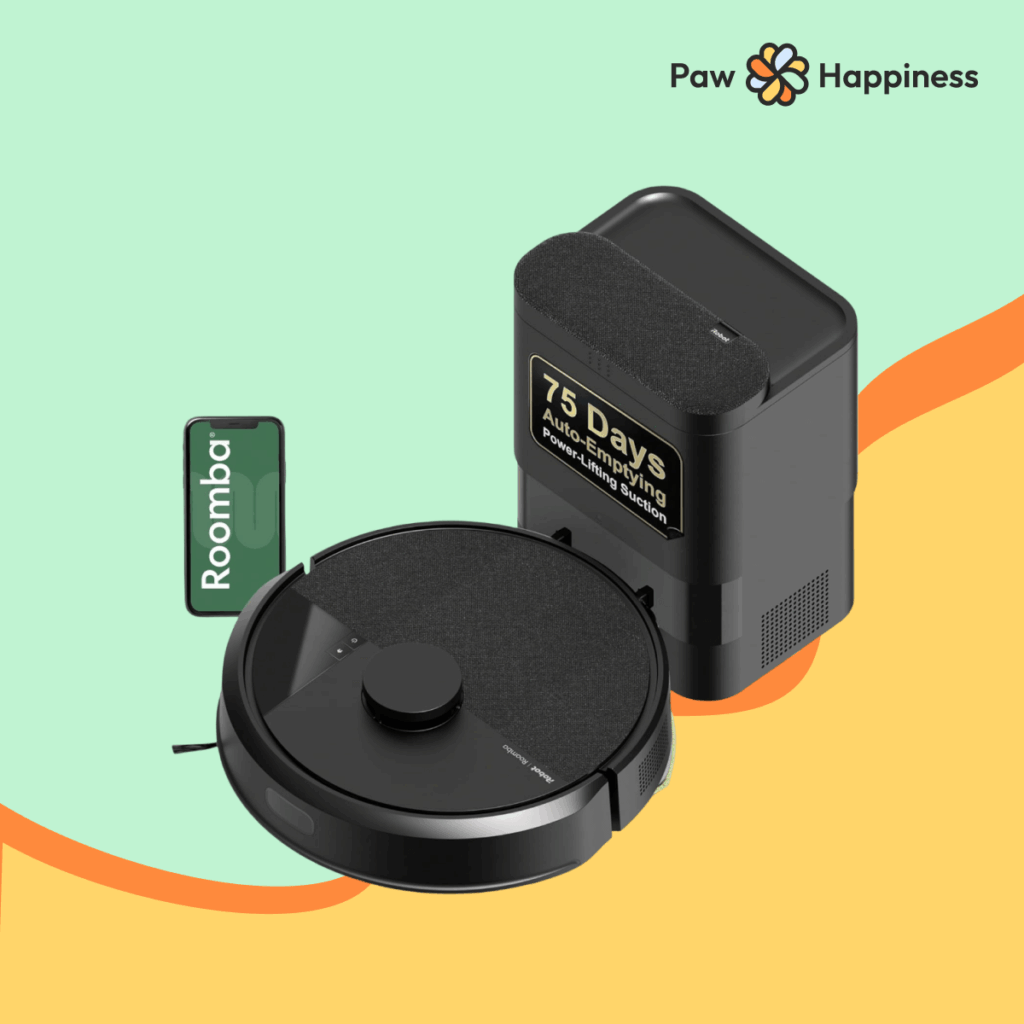
This vacuum brings strong cleaning power and smart navigation, making it a solid pick for pet homes.
Pros
- Powerful suction handles pet hair on carpets and hard floors
- Maps your home fast and cleans in organized rows
- Returns to dock when the battery’s low and resumes cleaning later
Cons
- You’ll need to pick up toys and cords before running it
- The app setup on 2.4GHz WiFi takes some extra steps
- Battery runtime might not cover big homes in one session
We ran the Roomba 104 through our pet-filled place and saw the difference immediately. The suction pulled up dog hair from rugs that our regular vacuum missed.
It moved methodically across each room, not just bouncing around. The mapping feature was quick—within minutes, the app had a floor plan.
We blocked off areas with pet bowls so the vacuum wouldn’t bump into them.
In the living room where our cat likes to shed, it picked up hair from both the hardwood and the area rug. The edge brush got into corners where fur piles up.
The app lets you control when and where it cleans. We set it to run in the kitchen and hallway after breakfast when the hair situation is at its worst.
You can adjust suction if you need more power in busy spots. When the battery got low, it went back to charge on its own and then finished the job.
No babysitting required.
iRobot Roomba 104 Combo
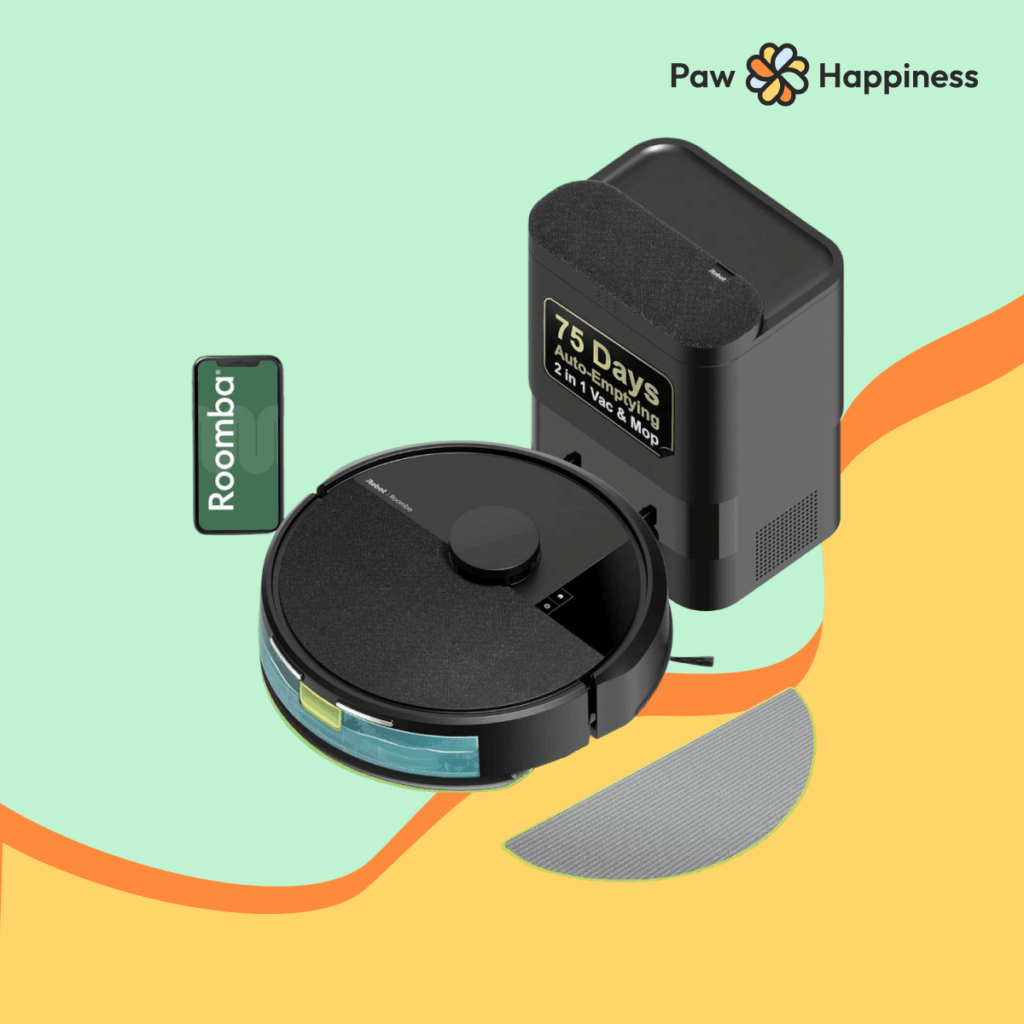
The Roomba 104 Combo tackles pet hair with serious power and saves you from emptying the bin for months. If you want both vacuuming and mopping in one, it’s worth a look.
Pros
- Self-emptying dock holds debris for up to 75 days—maintenance is rare
- Lifts the mop pad when it senses carpet, so your rugs stay dry
- Maps your home fast and lets you customize cleaning schedules
Cons
- The round shape keeps it from fitting under lower furniture
- You’ll get the best results if you clear the floor first
- Takes a little time to learn all the settings and options
We tried the Roomba 104 Combo in a house with three pets. It grabbed pet hair from both carpet and hard floors, with suction that felt stronger than older Roombas.
Pet hair that usually forms tumbleweeds in corners was gone on the first pass. The auto-empty dock is a big deal for pet hair.
We ran this robot daily for weeks without touching the base station. When we finally changed the bag, there was no mess—no dust cloud.
The mopping feature is a nice bonus. We filled the tank and watched it tackle dried paw prints in the kitchen.
The SmartScrub mode applies more pressure and scrubs back and forth on tough spots. It’s not as thorough as mopping by hand, but it keeps floors presentable between deep cleans.
Mapping setup took about one cleaning. After that, we used the app to block off pet water bowls and schedule cleaning in high-traffic zones.
LiDAR navigation means it doesn’t bump into furniture legs or pet toys as much as our old vacuum. The two-hour runtime is enough to cover our whole first floor before docking.
We like that it avoids carpets when the mop pad is attached, so you can vacuum and mop without soaking rugs.
Buying Guide
When we’re shopping for a robot vacuum to tackle pet hair, a few features matter most. The right choice depends on your home and your pets.
Suction Power
Strong suction is key for picking up pet hair. Look for models with at least 1500 Pa of suction.
Higher numbers mean better cleaning on both carpets and hard floors.
Brush Design
Brushes make a big difference. Go for rubber or tangle-free designs.
Bristle brushes get wrapped up with hair quickly and are a pain to clean.
Filter System
A solid filter traps pet dander and allergens. HEPA filters or similar high-grade options are best.
This keeps the air cleaner while the vacuum works.
Battery Life and Coverage
You’ll want enough battery to clean your whole home. Most models run 60 to 120 minutes on a charge.
Match the battery life to your home’s size.
Dustbin Capacity
Bigger dustbins mean less emptying. For homes with multiple pets, look for bins of at least 0.5 liters.
Some models empty themselves into a base station, which is pretty handy.
Smart Features
| Feature | Benefit |
|---|---|
| App Control | Schedule cleanings from anywhere |
| Mapping | Efficient cleaning paths |
| No-Go Zones | Avoids pet bowls and toys |
| Voice Control | Hands-free operation |
Pick the features that actually fit your needs and budget. Not every home needs every option.
Frequently Asked Questions
Pet owners should pay attention to brush design, suction strength, and filter quality when picking a Roomba. Realistic expectations and regular maintenance help these robots work best in homes with shedding animals.
What features should I look for in a Roomba to effectively handle high volumes of pet hair?


Go for models with rubber brushrolls instead of bristle brushes. Rubber extractors don’t tangle as much and maintain better contact with floors.
Strong suction—at least 10x compared to base models—makes a real difference. Models with automatic dirt disposal empty themselves into bigger bins, so you’re not emptying the dustbin every day.
HEPA filtration captures 99.97% of pet dander and allergens. Edge-sweeping brushes also help pull hair from corners and baseboards.
How does Roomba’s suction power impact its ability to pick up pet hair from carpet and hardwood floors?
Higher suction power lifts more embedded pet hair from carpet fibers. Models with 10x suction get hair that’s worked deep into medium- and high-pile carpets.
On hardwood, brush design matters more than suction. Rubber extractors create a seal against hard surfaces, and strong airflow pulls hair into the bin instead of blowing it around.
Some models have automatic suction adjustment for carpets, so you don’t have to mess with settings.
Which Roomba models come equipped with tangle-free brushes suitable for long pet hairs?
The j7+, i7+, and s9+ all use dual rubber extractors that resist tangling. These brushes flex to keep contact with floors and prevent hair wrap.
The s9+ has wider brushes and a D-shape that helps it reach corners where pet hair collects.
Budget picks like the i3+ also have rubber extractors. We’d skip models with bristle brushes if you’ve got pets with long hair—they’re just too much hassle.
Can a Roomba replace regular vacuuming when it comes to dealing with shedding from multiple pets?
A Roomba cuts down how often you need the upright vacuum, but it won’t replace it completely. Running a Roomba daily keeps pet hair in check between deeper cleans.
For homes with multiple pets, it’s still smart to use a regular vacuum weekly for spots the Roomba can’t reach—like furniture, stairs, and tight corners.
Models with automatic dirt disposal get you closest to a hands-off experience. They can run for weeks without you lifting a finger, keeping floors cleaner than manual vacuuming alone.
What are the maintenance requirements for ensuring optimal performance of a Roomba in a pet-heavy home?
You’ll want to empty the dustbin after every cleaning cycle, unless your Roomba has automatic dirt disposal. Even then, if you’ve got a lot of pets, you’ll probably end up changing the base bag every couple of months.
Take out the rubber extractors and give them a good wipe each week. Hair really loves to wrap around the extractor ends, especially where they meet the housing, so it’s worth checking those spots closely.
If you’ve got more than one furry friend, swap out the filters every two months or so. Side brushes tend to collect hair that tangles up, so you’ll need to snip that away with scissors every few weeks.
Don’t forget about the sensors and charging contacts—wipe them down once a month. Pet hair and dust can mess with navigation and docking, which is just annoying.
How do the latest Roomba models’ filtration systems effectively manage pet dander and allergens?
HEPA filters in models like the j7+ and s9+ trap particles as tiny as 0.3 microns. That covers pet dander, dust mites, and pollen—basically, the usual allergy suspects.
The filtration system works alongside a sealed bin design. This combo keeps allergens from sneaking back into the air.
As the Roomba vacuums, air gets pushed through the filter before it’s released. It’s a simple idea that actually works pretty well.
From what we’ve seen, running a HEPA-equipped Roomba daily does more for air quality than just doing a big clean once a week. Tackling fresh dander regularly stops it from swirling around your home’s vents and ducts.
Related Articles




Extra Deals & Recommendations From Our Partners
Discover exclusive offers, tools, and products from brands we collaborate with.


Snoozer Luxury Console Car Seat
This center-console dog car seat is designed for small pets up to 9 lbs, featuring side safety hooks and adjustable bottom straps for a secure, no-slip fit. Made from waterproof PU leather with plush rabbit-velvet lining, it includes a harness hook, shoulder straps, storage pocket, and a reversible washable cushion. Its elevated design gives anxious pets a calming window view during travel.

IRIS USA Large Hooded Litter Box — Best for Odor Control
This enclosed litter box keeps odors contained with an easy-access flap door that prevents spills and messes. The spacious 9.25" x 9" opening gives cats privacy and comfort. A sturdy handle and secure buckles make transport simple, while the included scoop hangs neatly under the hood for quick access. Measuring 21" x 18.75" x 17", it offers ample room for small to medium cats.

25 Pack Dog Vaccines Large
Bulk Pack of 25 Dog Vaccine Record Books – Tri-fold design with double-sided printing, made from durable 120g paper. Keep track of vaccinations, deworming, and health events easily. Ideal for breeders, vets, and multi-pet households.

Hemp Calming Chews for Dogs 150 Count (11.6 oz)
Vet-recommended calming chews that naturally reduce dog anxiety from barking, separation, travel, fireworks, and vet visits. Works in 30 minutes and lasts up to 12 hours, also helping ease joint pain and discomfort. Made with hemp oil, valerian, chamomile, B1, passionflower, and turmeric—no corn, wheat, soy, or artificials. Peking Duck flavor dogs love. Safe for all breeds and sizes.

Nutricost Taurine Powder 250 Grams
This taurine supplement provides 250 grams per bottle with a convenient 2-gram serving size and included scoop for easy dosing. It is Non-GMO, gluten-free, and third-party tested to ensure quality and purity. Manufactured in an NSF-certified, GMP-compliant, and FDA-registered facility, it offers a reliable and high-quality option for daily supplementation.
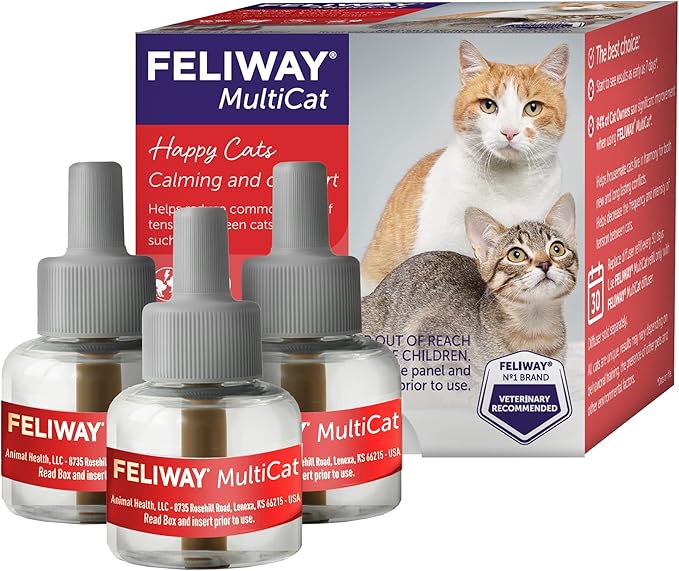
FELIWAY® MultiCat 3 x 30 Day Cat
FELIWAY MultiCat is a vet-recommended pheromone diffuser that helps reduce tension and conflict between cats, including fighting, chasing, and blocking. The drug-free formula provides up to 30 days of calming support per refill and covers up to 700 sq ft. Safe for all cats, it’s an easy, effective way to promote peace in multi-cat homes.

Sam & Maui Velvet Adjustable Cat Collar
Dress your cat in luxury with our soft velvet collars, featuring a sturdy nylon inner layer for durability. The rose gold metal buckle adds elegance, while the small bell boosts cuteness and helps you locate your sneaky kitty. Adjustable 8"–12", ideal for most indoor cats. (Note: metal buckle is not breakaway.) Matching dog collars, leashes, and bow ties are also available.

Automatic Cat Feeder, 4L Cat Food Dispenser
This automatic pet feeder ensures smooth, clog-free feeding with a smart food distribution system, eliminating the need for shaking or manual fixes. It features programmable meal scheduling, dual power supply for reliability, a freshness-locking design with desiccant, an anti-theft lid, and a 10-second custom voice recording to call your pet at mealtime.