


Dog Treats & Chews: How to Choose Soft, Tasty Rewards Your Dog Will Love
By PawHappiness Team | Updated | 5 minutes read | Products & Reviews
Table of Contents
- Why Texture Matters in Dog Treats & Chews
- Common Problems Pet Parents Face When Choosing Dog Treats
- What Makes a Good Soft and Chewy Dog Treat?
- Using Dog Treats & Chews for Training and Positive Reinforcement
- When Soft Treats Are the Better Everyday Choice
- How Milk-Bone Soft & Chewy Fits into Everyday Treating
- Portion Control: Treating Without Overdoing It
- Choosing Dog Treats & Chews for Different Life Stages
- Reading Labels Without the Stress
- Conclusion: Making Treat Time Better for You and Your Dog
Dog treats are more than just snacks—they’re part of how we train, bond, and show love to our dogs. Dog Treats & Chews play a big role in daily routines, whether it’s rewarding good behavior, keeping your pup engaged during training, or simply making them feel special. But if you’ve ever stood in the pet aisle staring at rows of treats, you know how confusing it can be to pick the right one.
Many pet parents struggle with treats that are too hard, too crumbly, or not exciting enough. Puppies may find hard biscuits difficult to chew, while senior dogs or dogs with sensitive teeth can be downright uncomfortable eating crunchy treats. At the same time, nobody wants to compromise on taste, quality, or nutrition just to get a softer option.
The good news? There are dog treats designed to balance flavor, texture, and nutrition—making treat time enjoyable for dogs of all ages and sizes. By understanding what makes a good soft treat and how to use it wisely, you can turn everyday moments into rewarding experiences without stress.
Why Texture Matters in Dog Treats & Chews
Not all dogs chew the same way. Age, breed, dental health, and even personality can affect how a dog enjoys treats.
Hard treats may work well for strong chewers, but they’re not ideal for every dog. Soft and chewy options offer a gentler alternative that still feels rewarding.
Soft Dog Treats & Chews are especially helpful for:
- Puppies with developing teeth
- Senior dogs with dental sensitivity
- Dogs recovering from dental procedures
- Smaller breeds with delicate jaws
Texture isn’t just about comfort—it also affects how quickly your dog can enjoy the treat, which is important during training sessions.
Common Problems Pet Parents Face When Choosing Dog Treats
Choosing treats sounds simple, but real-life experience says otherwise. Many pet parents face the same challenges again and again.
Some of the most common issues include:
- Treats that are too hard to chew
- Dogs losing interest because treats aren’t flavorful
- Crumbly treats that make a mess
- Treats that feel more like filler than a reward
When treats don’t feel “special,” dogs may stop responding to them during training. That’s when finding the right Dog Treats & Chews becomes essential—not just for taste, but for motivation and consistency.
What Makes a Good Soft and Chewy Dog Treat?
A high-quality soft treat should strike the right balance between texture, flavor, and nutrition. You want something tender enough to chew easily, but still firm enough to hold together.
When evaluating Dog Treats & Chews, look for:
- A soft, chewy texture that’s easy on teeth
- Real meat flavors dogs naturally love
- Bite-sized pieces for quick rewards
- Added vitamins and minerals for daily support
Soft treats are especially useful for training because dogs can eat them quickly and stay focused without long chewing breaks.
Using Dog Treats & Chews for Training and Positive Reinforcement
Treats are one of the most effective training tools when used the right way. Dogs learn through positive reinforcement, and treats help reinforce good behavior clearly and consistently.
Here are a few tips for using treats effectively:
- Use smaller pieces during training to avoid overfeeding
- Reward immediately after the desired behavior
- Choose soft treats that don’t slow down sessions
- Save high-value treats for challenging commands
Soft Dog Treats & Chews are ideal here because they’re quick to eat and feel more rewarding than dry kibble.
When Soft Treats Are the Better Everyday Choice
Soft treats aren’t just for training—they’re great for everyday moments too. Whether it’s welcoming your dog home, rewarding calm behavior, or adding joy to routine moments, texture makes a difference.
Many pet parents find soft treats helpful when:
- Dogs lose interest in crunchy biscuits
- Treat time becomes stressful instead of fun
- Older dogs start refusing hard chews
Soft treats help keep treat time inclusive for dogs at every life stage.
How Milk-Bone Soft & Chewy Fits into Everyday Treating
Some well-known brands have adapted to these needs by offering softer options designed for comfort and taste. Milk-Bone Soft & Chewy Dog Treats, Beef & Filet Mignon Recipe are a good example of treats made with real chuck roast and a tender texture.
These treats are:
- Soft and easy to chew
- Suitable for dogs of all sizes
- Fortified with 12 vitamins and minerals
- Convenient for training or daily rewards
Because they come in a larger 25-ounce container, they’re also practical for households that use treats regularly—without needing constant restocking.
(You can find Milk-Bone Soft & Chewy Dog Treats on Amazon if you want to check current availability and reviews.)
Portion Control: Treating Without Overdoing It
Even the best Dog Treats & Chews should be given in moderation. Treats are meant to complement a balanced diet, not replace meals.
Smart portion tips include:
- Breaking treats into smaller pieces
- Factoring treats into daily calorie intake
- Using treats as rewards, not fillers
Soft treats are often easier to portion, which helps prevent overfeeding while still keeping dogs happy.
Choosing Dog Treats & Chews for Different Life Stages
Your dog’s needs will change over time, and treats should change with them.
For puppies:
- Soft textures protect developing teeth
- Strong flavors keep attention during training
For adult dogs:
- Balanced treats help reinforce behavior
- Texture variety keeps things interesting
For senior dogs:
- Gentle chews reduce discomfort
- Softer treats help maintain appetite
Choosing the right Dog Treats & Chews ensures your dog stays comfortable and motivated throughout every stage of life.
Reading Labels Without the Stress
You don’t need to be a nutrition expert to choose good treats. Focus on simple, clear information.
Look for:
- Real meat flavors
- Recognizable ingredients
- Added vitamins and minerals
- Clear feeding guidelines
Treats that are transparent about what’s inside make it easier to feel confident about your choice.
Conclusion: Making Treat Time Better for You and Your Dog
Finding the right Dog Treats & Chews doesn’t have to be complicated. The best treats are the ones your dog genuinely enjoys and can chew comfortably—without causing stress for you. Soft and chewy options help bridge the gap between taste, texture, and practicality, especially for puppies, seniors, and dogs with sensitive teeth.

Milk-Bone Soft & Chewy Dog Treats, Beef & Filet Mignon Recipe
Milk-Bone Soft & Chewy Beef & Filet Mignon Recipe dog treats are made with real chuck roast for a delicious, tender texture dogs love. Suitable for dogs of all sizes, these treats come in a 25-ounce container and are fortified with 12 essential vitamins and minerals. A trusted, feel-good reward dogs have loved since 1908.
Buy NowBy choosing treats that are easy to chew, flavorful, and thoughtfully made, you create better training moments and happier everyday routines. Treat time should feel rewarding, not frustrating. If you’re exploring ways to improve your dog’s snack and reward routine, learning more about soft and chewy treats is a great place to start.
Your dog’s wagging tail will tell you when you’ve found the right one
Related Articles



Extra Deals & Recommendations From Our Partners
Discover exclusive offers, tools, and products from brands we collaborate with.


Purina Tidy Cats Breeze System — Best for Low Maintenance
These Tidy Cats Breeze Multi-Cat Pads are designed for the Breeze system, offering fast absorption and up to 7 days of ammonia odor control for two cats. Each pack includes 8 disposable pads that lock in moisture to keep the litter box dry and your home smelling fresh. Cleanup is simple with no urine clumps to scoop. Backed by a satisfaction guarantee for worry-free use.

Dog Bowl Pet Collapsible Bowls
Collapsible dog bowls fold flat for easy storage and are perfect for travel, hiking, and daily outings. Lightweight and portable, each bowl includes a carabiner to attach to bags or leashes. Made of durable, odorless soft plastic, they hold up to 12 oz of water or 1.5 cups of food. Suitable for small to medium pets and easy to clean, with two colors for food and water.

Whiskas Catmilk Plus Drink for Cats
Cats love milk, but lactose can upset their stomachs. WHISKAS CATMILK PLUS is a 98% lactose-reduced, protein-rich drink made by expert nutritionists as a gentle, easy-to-digest alternative. Enriched with essential nutrients and naturally high in calcium, it supports strong teeth and bones. Give your cat the creamy milk taste they crave—made safely just for cats and kittens.
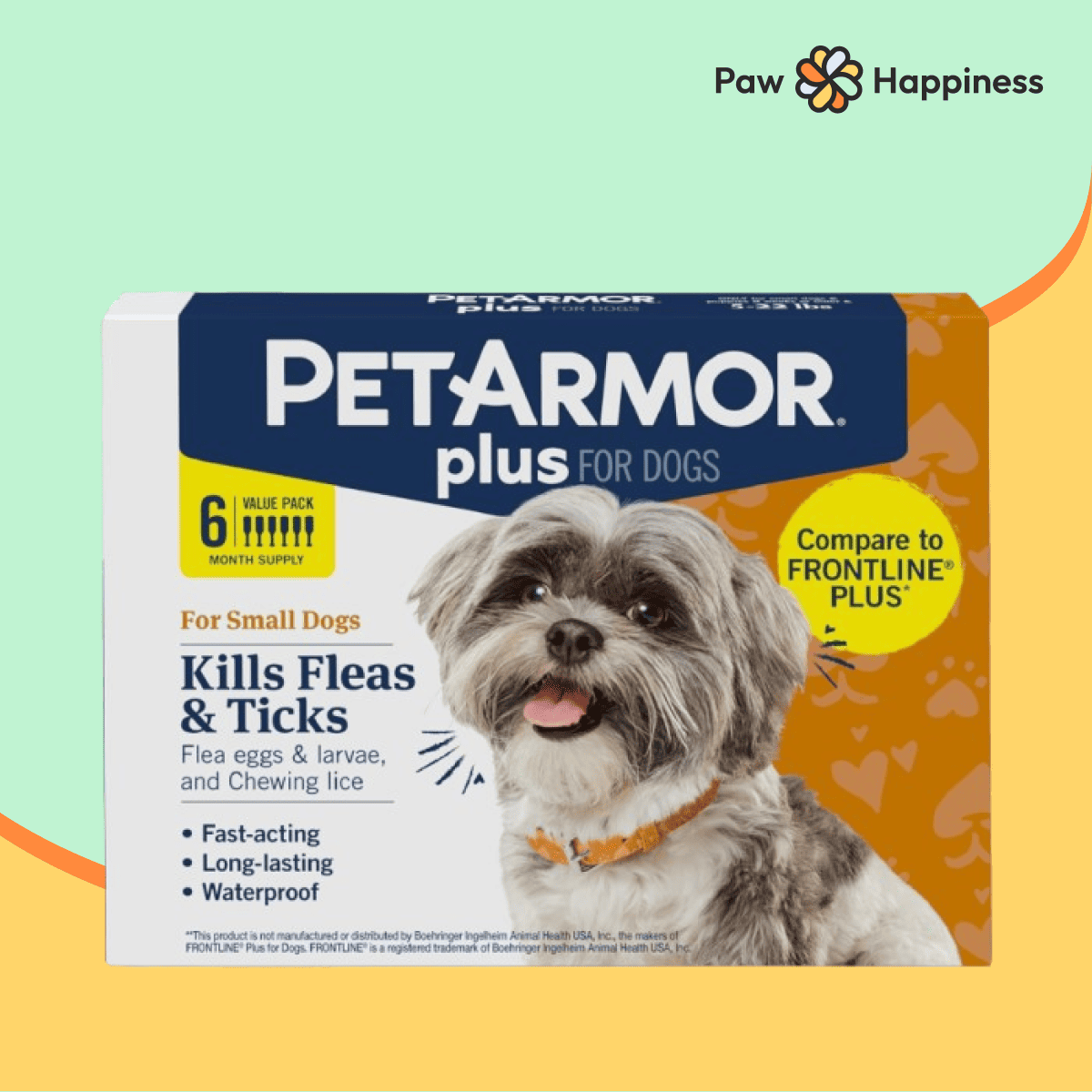
PetArmor Plus Flea and Tick Prevention for Dogs
PetArmor Plus for Dogs is a waterproof monthly flea & tick topical with fipronil and (S)-methoprene that kills fleas, eggs, larvae, ticks, and lice, breaks the flea life cycle, and provides up to 30 days of protection.

Buddy Biscuits Trainers Training Bites Soft & Chewy Dog Treats, Beef, 10 oz. Bag
Buddy Training Bites are bite-sized, low-calorie dog treats made with real pork liver as the first ingredient. With only 1.5 calories per treat, they’re perfect for extended training sessions. Made in the USA with no corn, soy, artificial flavors, or preservatives, each bag includes about 500 tasty treats in recyclable packaging dogs love.

Sleepypod Clickit Sport Crash-Tested Harness
This durable dog seat belt is made from heavy-duty nylon with reinforced stitching and strong metal hardware to prevent snapping or unbuckling. Its elastic bungee design absorbs sudden pulls for safer, more comfortable rides. The adjustable, tangle-free swivel clip fits most vehicles and attaches easily to any harness. Each pack includes two seat belts and a collapsible water bowl.

Royal Canin Canine Care Nutrition
Royal Canin Digestive Care Wet Dog Food supports healthy digestion for adult dogs with sensitive stomachs. Highly digestible formula helps promote balanced gut flora, optimal stool quality, and overall well-being.

Hill’s Science Diet Sensitive Stomach & Skin
Give your small or mini breed dog the precise nutrition they need with Hill’s Science Diet Small & Mini Adult. Made with easy-to-digest ingredients like pumpkin, it supports healthy digestion and stool quality. Balanced protein, fats, and carbs help maintain ideal weight, while a proprietary antioxidant blend boosts lifelong immune health in a kibble perfect for small dogs.